
Adventure Packing Lists For Every Type of Experience


I’ll never forget the moment I realized just how important having the right adventure packing lists were until I was hiking through the snow in sneakers on the side of Mont Blanc attached to a giant parachute with nothing but jeans and a rain coat on.
Despite thinking I’d properly prepared by hand-selecting the company, bringing Dramamine for my motion sickness problems, and choosing an accommodation that was within walking distance of the Aiguille du Midi cable car, checking the weather somehow skipped my mind.
Probably because we were visiting in early May, and I assumed that most of the snow would be gone by then.
On the other hand, when I traveled through Peru, my dual-stage filtering water bottle was a game-changer—I never had to worry about safe drinking water, even deep in the Andes when I was solely drinking mountain runoff filled with livestock droppings.
Having the right gear can make or break your trip, so we’ve prepared some essential packing lists for your next adventure! Whether you’re navigating an itinerary we curated for you, or you’re going on a DIY adventure, be sure to keep this handy packing lists accessible while packing your suitcase.
Be sure to download your free adventure packing list PDF below!
Adventure Packing List Essentials (For Every Trip!)
No matter your adventure, these items are always a good idea:
- Travel insurance & documents (passport, visas, permits)
- Packing cubes
- First-aid kit with personal medications
- Power bank & universal adapter
- Emergency cash in local currency
- Notebook & pen for travel journaling
- Snacks for long travel days
Hiking & Trekking Adventures
For multi-day hikes, backcountry treks, or high-altitude adventures:
- Extras: GPS device, headlamp, map/compass, multi-tool, emergency whistle, first-aid kit.
- Clothing: Moisture-wicking base layers, fleece or down jacket, waterproof shell, quick-dry pants, thermal socks, hat & gloves.
- Footwear: Broken-in hiking boots, camp shoes for downtime.
- Gear: Backpack (40-70L), trekking poles, sleeping bag, tent or bivvy, lightweight stove, hydration system.
Water-Based Adventures
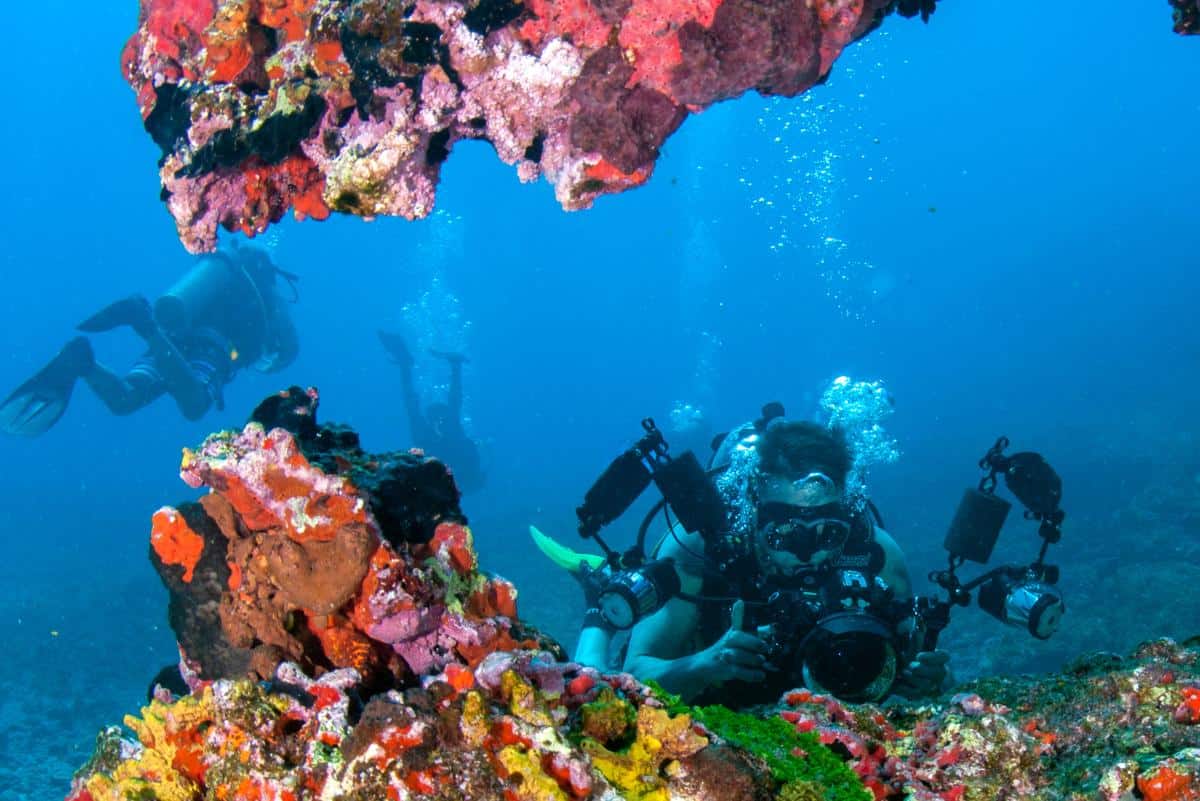
For kayaking, snorkeling, rafting, or diving excursions:
- Clothing: Quick-dry rash guard, swimsuit, water shoes, lightweight cover-up, waterproof jacket.
- Gear: Dry bag, snorkeling mask & fins, waterproof phone case, travel towel.
- Extras: Reef-safe sunscreen, anti-chafing balm, polarized sunglasses, hydration pack.
Camping & Overlanding
For off-the-grid and self-sufficient travel:
- Shelter: Tent, sleeping bag (appropriate for temperature), tarp, rope, hatchet, sleeping pad, camping stove or Jetboil.
- Essentials: Headlamp, fire starter, water filtration system, multi-tool.
- Clothing: Weather-appropriate layers, sturdy boots, gloves, and a hat.
- Extras: Solar charger, insect repellent, collapsible bowl and utensils, biodegradable soap.
Extreme Cold & Polar Adventures
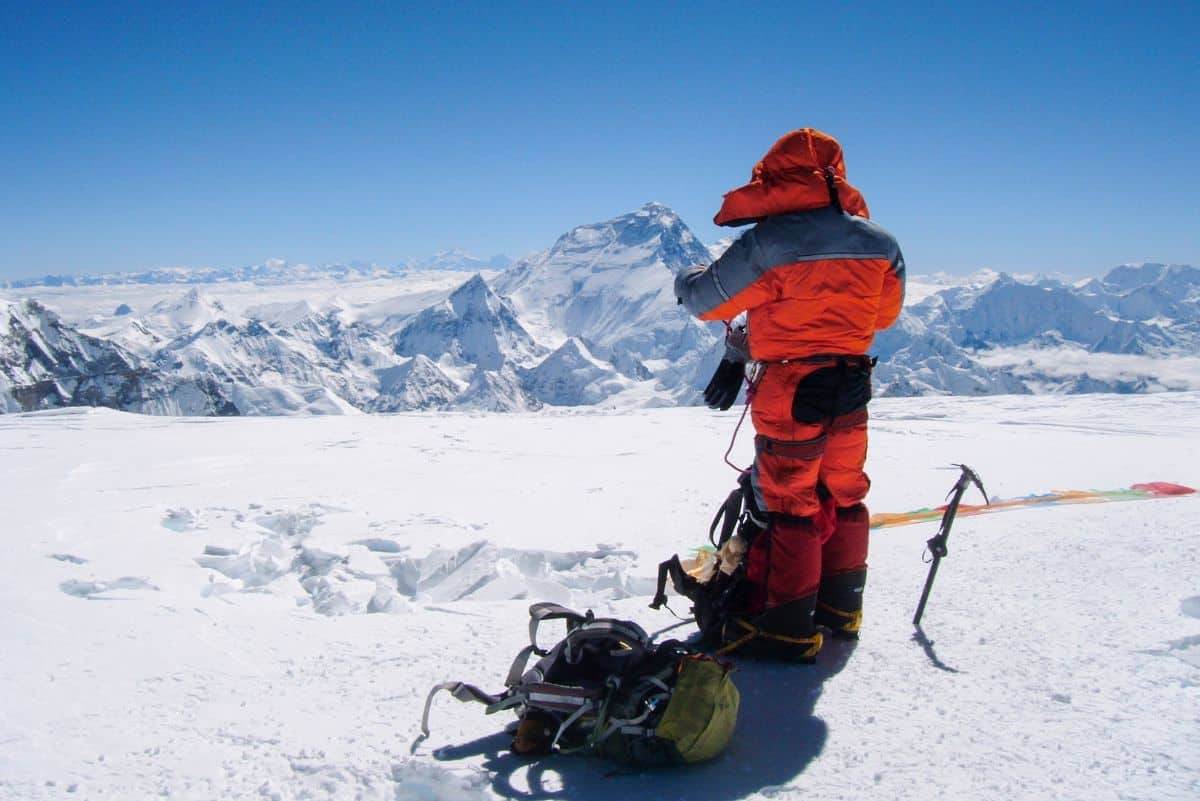
For Arctic/Antarctic expeditions, dog sledding, or ice climbing:
- Clothing: Insulated base layers, waterproof outer shell, down jacket, thermal gloves, hats & socks, balaclava.
- Gear: Snow goggles, insulated boots, crampons (if needed), hand warmers.
- Extras: High-energy snacks, SPF lip balm, emergency blanket.
Wildlife & Safari Expeditions
For game drives, jungle treks, or remote nature expeditions:
- Clothing: Neutral-colored, lightweight long-sleeve shirts and pants, sturdy hiking boots, wide-brim hat.
- Gear: Binoculars, camera with zoom lens, reusable water bottle, insect repellent.
- Extras: Lightweight rain jacket, sunscreen, first-aid kit, anti-malaria medication (if applicable).
Rock Climbing & Mountaineering
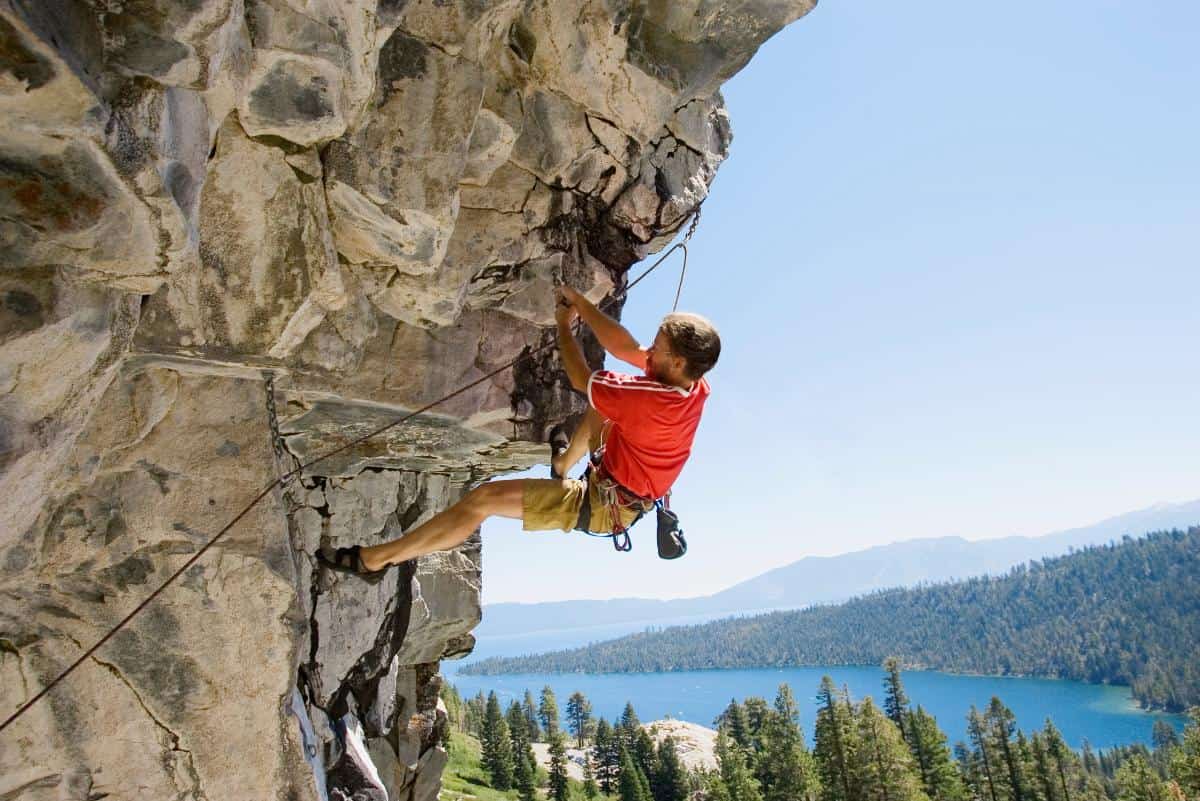
For scaling peaks and bouldering:
- Clothing: Moisture-wicking base layers, windproof jacket, durable climbing pants, climbing gloves, hats, balaclava.
- Gear: Harness, climbing shoes, helmet, chalk bag, belay device, rope, and hopefully an extra person to assist!
- Extras: Finger tape, energy snacks, hydration pack.
FAQ
What Do Adventure Travelers Need?
Adventure travelers need a combination of essential gear, smart preparation, and the right mindset to ensure a safe and enjoyable experience.
This includes everything from the proper clothing to travel insurance that covers their excursions.
What is the 5-4-3-2-1 Packing Rule?

The 5-4-3-2-1 Packing Rule is a minimalist packing strategy designed to help travelers streamline their luggage while ensuring they have all the essentials. It typically applies to clothing and works like this:
➡ 5 Tops – A mix of short-sleeve, long-sleeve, or layering pieces depending on the climate.
➡ 4 Bottoms – Pants, shorts, or skirts that can be mixed and matched with your tops.
➡ 3 Pairs of Shoes – Usually a comfortable walking or hiking pair, a versatile casual option, and activity-specific footwear.
➡ 2 Pieces of Outerwear – A jacket or sweater for warmth and a rain or windproof layer for protection.
➡ 1 Hat– Either for sun protection or warmth, depending on your destination.
How Do I Pack Light Without Sacrificing Essential Gear?
Packing light is all about prioritization and multi-use items. Choose lightweight, packable, and versatile gear, like a jacket that works for both wind and rain or hiking pants that convert into shorts.
We like to stick to a color-coordinated wardrobe, pack travel-sized toiletries, and always aim to wash some of our clothes on the go.
What Type of Clothing is Best for Layering in Extreme Temperatures?

Stick to synthetic or merino wool base layers for warmth and moisture management. I’m actually quite allergic to wool and wool-based materials (I break out in hives and my eyes start to water and swell), so if you haven’t tested it on your skin before, be sure to do so before your trip!
Your mid-layer should be an insulating fleece or down jacket, while your outer layer should be windproof and waterproof. Avoid cotton, as it traps moisture and takes forever to dry – I made this mistake on my 7-day trek to Machu Picchu.
I ended up having to put my socks on my backpack attached to a carabiner so they could dry while I hiked.
What are the Must-Have Safety and First-Aid Items for Adventure Travel?
You don’t want to add too much weigh to your pack, but there are a few essentials we never leave home without.
Always carry a first-aid kit with bandages, antiseptic wipes, blister pads, and any personal medications. Even if you have a guide, you never know what condition their first-aid kit will be in until it’s too late.
A whistle, headlamp, compass, and multi-tool are smart additions for wilderness travel and they really don’t add much to your carrying weight.
What’s the Best Way to Prevent Blisters, Sunburn, or Altitude Sickness While Traveling?

For blisters, wear well-broken-in shoes, moisture-wicking socks, and use blister pads. We also know several people who wrap their toes with foot tape to ensure prevent any blisters from forming since they’re quite prone to getting them.
As for sunburns, if you’re going to be outside a lot, then you’ll need to apply (and reapply) broad-spectrum sunscreen of at least SPF 30, and wear a hat and sunglasses.
Since reapplication of sunscreen is a down-right pain, especially when you’re sweating, we love to pack long-sleeve SPF-50 moisture-wicking shirts so we don’t even have to think about our torsos or arms. This saves a ton of sunscreen and keeps us feeling cleaner all day long!
Altitude sickness symptoms can come on fast, especially if you’re least expecting it. It’s extremely important to hydrate, ascend gradually, and consider altitude medication if you’ll be ascending to a higher elevation than you’ve ever been before.
It’s also a good idea to carry supplemental oxygen on you if you’ll be at high elevation for multiple days at a time.
What’s the Best Way to Choose the Right Backpack For My Trip?
The perfect backpack depends on your destination, trip length, and activities. It also depends on whether or not you’ll have a porter, or someone to assist with your carrying weight.
For trekking or multi-day hiking trips with no porter, go for a 40-60L pack with a supportive hip belt and adjustable straps. I love my 60L Osprey since it has a breathable back and plenty of exterior pockets so I can easily access my water, snacks, sunscreen, etc.
For shorter adventures, a 20-35L carry-on backpack should suffice. Look for water-resistant materials and multiple compartments to keep gear organized.
I’ve made the mistake of thinking that since my backpack was small, it would be relatively light – not the case. Be careful not to overpack and weigh your bag before beginning your trek!
How Do I Make Sure I Have Access to Clean Drinking Water?

We absolutely love our LifeStraw dual-stage filter water bottles, but many please use other forms of portable purification systems (like a UV purifier or water purification tablets).
Regardless of which you prefer, these ensure you have clean drinking water anywhere. In remote areas, we always suggest having a backup purification method (i.e. bringing both a filtering water bottle and purification tablets!)
What’s the Best Way to Protect My Electronics and Documents in Harsh Environments?
The best way to protect your valuable items is to use a waterproof pouch or dry bag for all electronics.
Travel documents should stay in a zippered passport holder which can be placed inside of the dry bag, but it’s always best to have digital backups stored in cloud storage.
How Do I Pack Food and Snacks for Multi-Day Adventures?
On multi-day trips, try to focus on packing lightweight, high-calorie snacks like energy bars, trail mix, and dehydrated meals. I prefer RX bars, but Cliff Bars and Lara Bars are also exceedingly popular!
If you’ll be cooking your own meals, then a collapsible bowl and a Jetboil will be very helpful.
By focusing on multi-use essentials, staying organized, and preparing for the unexpected, you can ensure that you have everything you need without the burden of overpacking.
However, we like to say that true adventure lies beyond the contents of our bags. Adventure is about embracing new challenges, adapting to unexpected situations, and immersing yourself in the journey! At Concannon Adventure Travel, we know that the right packing list is just one part of a seamless adventure.
Wherever your next adventure takes you, let these adventure packing lists guide you as you prepare, so you can travel smart and make every moment count.
If you want more of a basic packing list for more laid-back vacations, check out my downloadable European summer packing list!
