
Concannon Adventure Travel Planning Services


Adventure travel planning is about crafting experiences that push boundaries, ignite curiosity, and create lifelong memories.
Whether you dream of trekking through the Andes, paragliding over the French Alps, or diving into vibrant cultural festivals, the right planning can make all the difference!
With over a decade of experience exploring 40+ countries and 35+ states, we know what it takes to turn an ordinary trip into an extraordinary adventure. We’ve become obsessed with visiting places associated with typically low tourism numbers and consistently pushing ourselves out of our comfort zones.
In this post, we’ll dive into the essentials of adventure travel, from choosing the perfect destination to ensuring every detail is thoughtfully covered, and provided everything you need to know about how Concannon Adventure Travel will curate your next adventure abroad!
Table of Contents
How to Plan an Adventure
1. Consider Your Interests
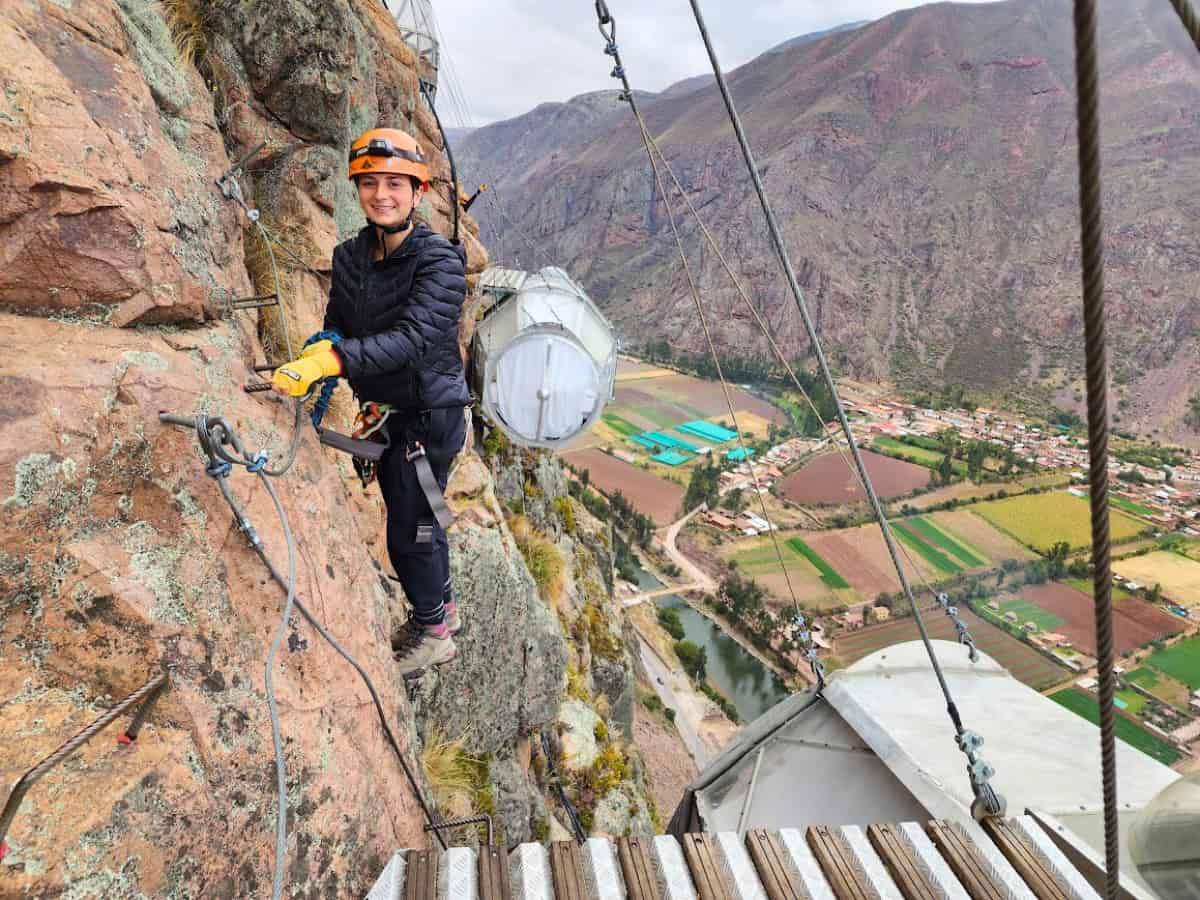
Your adventure should be built around what excites and inspires you! Do you love trekking through remote landscapes, diving in the ocean, or experiencing different cultures up close?
Consider what type of experiences will make your trip meaningful, whether that’s scaling a glacier, spotting wildlife, remote sightseeing, or immersing yourself in local traditions. Identifying your top priorities will help shape your itinerary and ensure your trip is aligned with your passions.
For us, we’re often drawn to wildlife sightings and high-altitude treks that last for days or weeks at a time. We also love partaking in local experiences!
For instance, South Africa is world-renowned for its cage diving with great white sharks, so we threw on a wet suit and jumped in the cage on our recent visit. Oman is famous for its stunning deserts, so we rented a 4×4 and drove 2 hours into the middle of the desert where only camels were around to witness our nearly disastrous ascent up a sand dune that just about flipped our car.
We live for exciting experiences and adventurous tales, so we’re always looking for what the locals would do (or wouldn’t do!)
2. Consider Your Budget
Your budget plays a crucial role in shaping your trip. We’re big promoters of sticking to your initial budget since we’ve always found that our clients, our friends, and family members seem to enjoy their trips a little bit less when they feel like they won’t be able to afford another trip for several years.
We always recommend generating a budget based on how much money you could comfortably spend without feeling anxious, angry or disappointed. Once you have an idea of what you are comfortable spending, you can start researching different destinations to get a taste of what they’ll actually cost you.
You’ll need to factor in transportation, accommodations, food, gear, activity fees, travel insurance, and unexpected costs. It’s also a good idea to decide where you want to splurge, perhaps on a once-in-a-lifetime experience like a hot air balloon ride in Namibia or a guided backcountry trek in Denali National Park, and where you can cut back.
We usually aim to set aside between 60-70% of our total budget on our adventure activities, and leave the rest for accommodations, food, and transportation. This usually means we aren’t staying in super fancy hotels, eating out for every meal, or booking business class flights. But, to each their own!
If you would prefer a lie-flat seat so you can get some shut-eye on your red-eye flight to Nepal, then you may need to adjust these percentages a little.
3. Consider Your Allotted Travel Time
The length of your trip affects everything from destination choices to the pace of your itinerary. If you have a short trip, perhaps ranging from 1-4 days, we almost always recommend focusing on one region rather than trying to cover too much ground.
This allows you to spend the majority of your budget on your adventure excursions since you won’t have as many nights or meals to pay for.
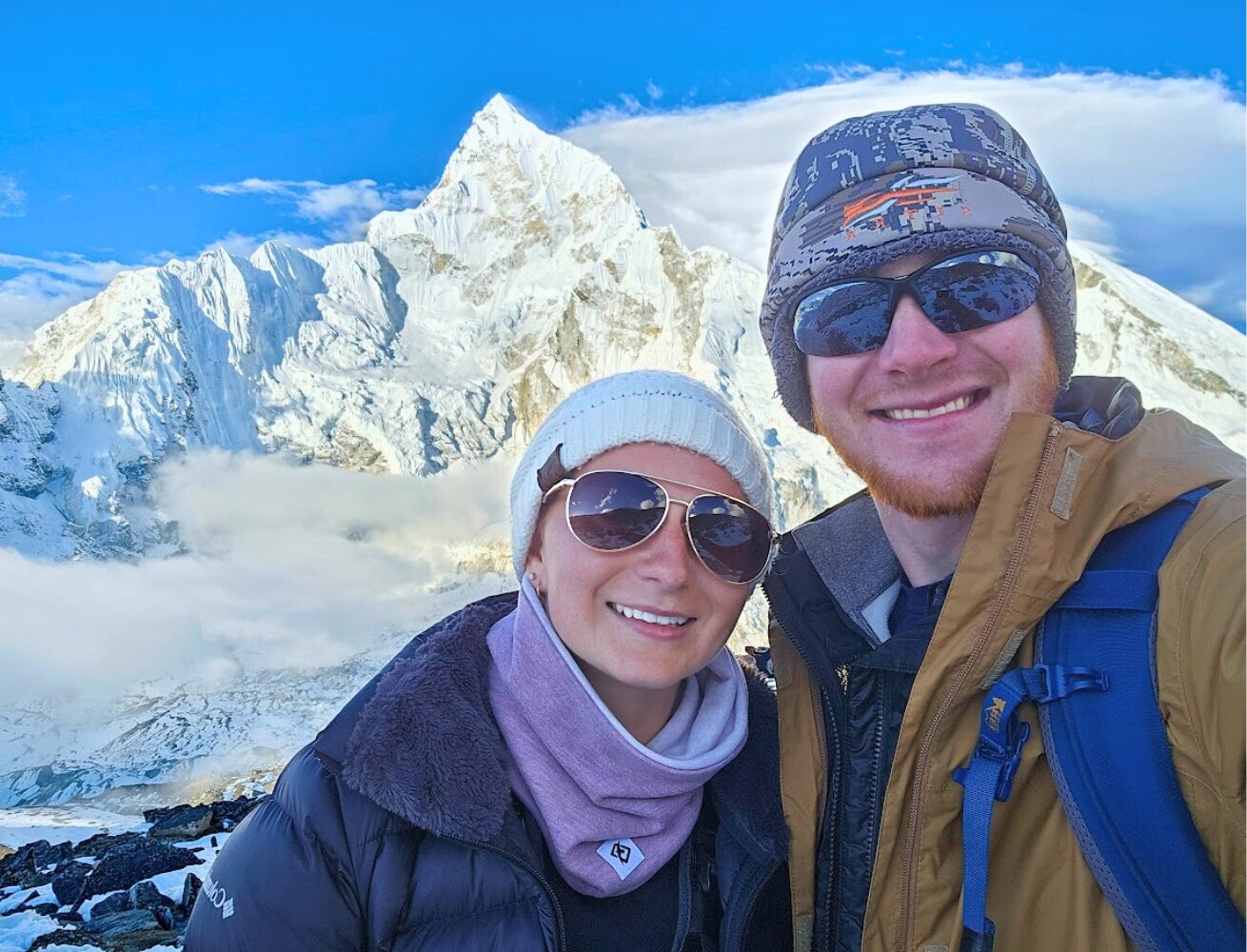
If you have more time, then it’s a good idea to balance high-adrenaline days with rest and recovery to avoid burnout. Before our trek through the Himalayas to Ama Dablam Base Camp, Kala Patthar summit, and Everest Base Camp, I never thought that I wouldn’t feel good during the journey.
I was in great physical shape, broke in all my gear, and tested all of my emergency medications on my stomach to avoid surprise adverse reactions.
So, we decided to do a 13-day trek in just 10 days. But, I fell ill on the flight going from Dubai to Kathmandu and spent the next week fighting immense weakness and a lack of appetite. This made the trek so much harder, and had I just kept those extra 3 days in our itinerary, I likely would have recovered far faster.
Moral of the story: assume you’ll need time to rest regardless of how prepared you are!
Also, always include some additional times for transit times between locations. Many times, a seemingly short distance in 2nd and 3rd-world countries can take hours due to poor road conditions or delays.
Of course, delays can happen anywhere, but we’ve found it’s a good idea to expect everything from livestock to protests to delay your vehicle en route to the airport or your next destination.
4. Take a Look at Entry Requirements
One of the biggest mistakes we see travelers make is committing to a destination before they check visa requirements, passport validity, and any entry restrictions. Some countries require visas that must be obtained in advance, while others allow visas on arrival.
Some countries require advance applications, which can take weeks or months to process, so it’s very important to check these details before getting overly excited about a trip idea.
We booked a Northern Africa trip to Morocco, Tunisia, and Egypt, but we nearly booked a trip including Algeria which actually has one of the hardest visas in the world to obtain, even for Americans. We were so excited about traveling around Algeria, were watching travel vlogs and reading some amazing blog posts, and then it clicked: what are the entry requirements?
The idea of visiting Algeria went out the window when we realized we likely wouldn’t get our visas in time for our departure which was still 3 months away.
Additionally, some adventure destinations require specific permits for trekking (i.e. gorilla trekking in Uganda’s Bwindi Impenetrable Forest), camping, or entering protected areas. It’s imperative to research these requirements early so you don’t face any last-minute hurdles.
5. Consider Any Safety and Health Concerns

Adventure travel often comes with inherent risks, from altitude sickness in the mountains to political, economical, and social conflicts that could affect your journey, and even wildlife encounters if you’ll be traveling in wilderness areas.
Destinations with severe air pollution can also be of larger concern for those with asthma, while places with unreliable hygienic standards for food and water make travel a whole lot more complicated.
Furthermore, those with specific food restrictions or allergies should look into viable options in their destination before booking, and decide whether or not they’ll be comfortable traveling with a lot of their own food if necessary.
We usually visit our favorite travel clinic to talk to our travel doctor about any necessary vaccinations she recommends prior to our trip, pack a well-stocked first-aid kit, and familiarize ourselves with local emergency services.
To do this, we suggest marking the nearest highly-reviewed hospital, securing travel insurance, and making note of how you can contact local emergency services if you don’t have an international phone plan.
6. Respect Your Limitations
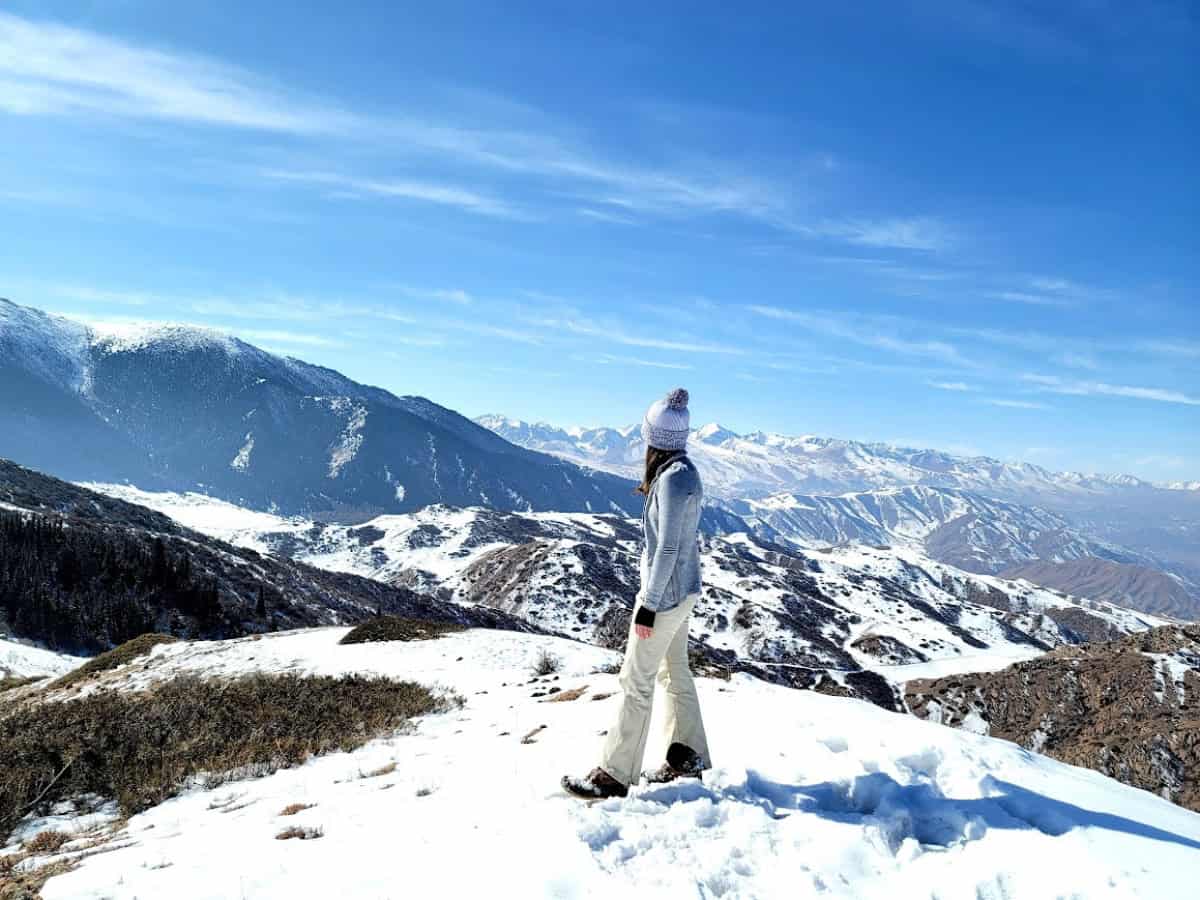
We believe that adventure travel is all about pushing boundaries, but it’s also important to recognize your physical and mental limits. While it’s great to push personal boundaries, overestimating your abilities can lead to exhaustion or injury.
The key here is to be honest with yourself – will you actually do the necessary training to summit Kilimanjaro? Will you actually take the classes to get certified to go diving on the Great Barrier Reef?
We all do it. We get caught up in the excitement of doing the “next big thing” that we tell ourselves we can do anything and ignore all of the red flags that we’ll have to get through in order to succeed. It’s called adrenaline, and it can be misleading. The best way to avoid this issue is to think about what you’ve already done!
If you want t0 summit Kilimanjaro, ask yourself what the longest hike you’ve ever done is. What’s the highest altitude you’ve ever trekked to and what were your symptoms? Did you actually enjoy these experiences? And most importantly – is summiting Kilimanjaro the natural “next step” from what you’ve already done.
Thus, if you’ve only ever hiked at sea level for no more than a few hours and you’re not used to high-altitude trekking, then you’ll want to consider shorter acclimatization hikes before attempting a summit.
Also, if you have prior injuries or health conditions, be sure to factor them into your planning. The trick with adventure travel planning balancing personal challenges while ensuring a safe and enjoyable experience.
7. Prioritize Your Adventure Activities
With limited time, it’s impossible to do everything, so choose your must-do activities wisely. Research what makes your destination special and decide what experiences you can’t miss.
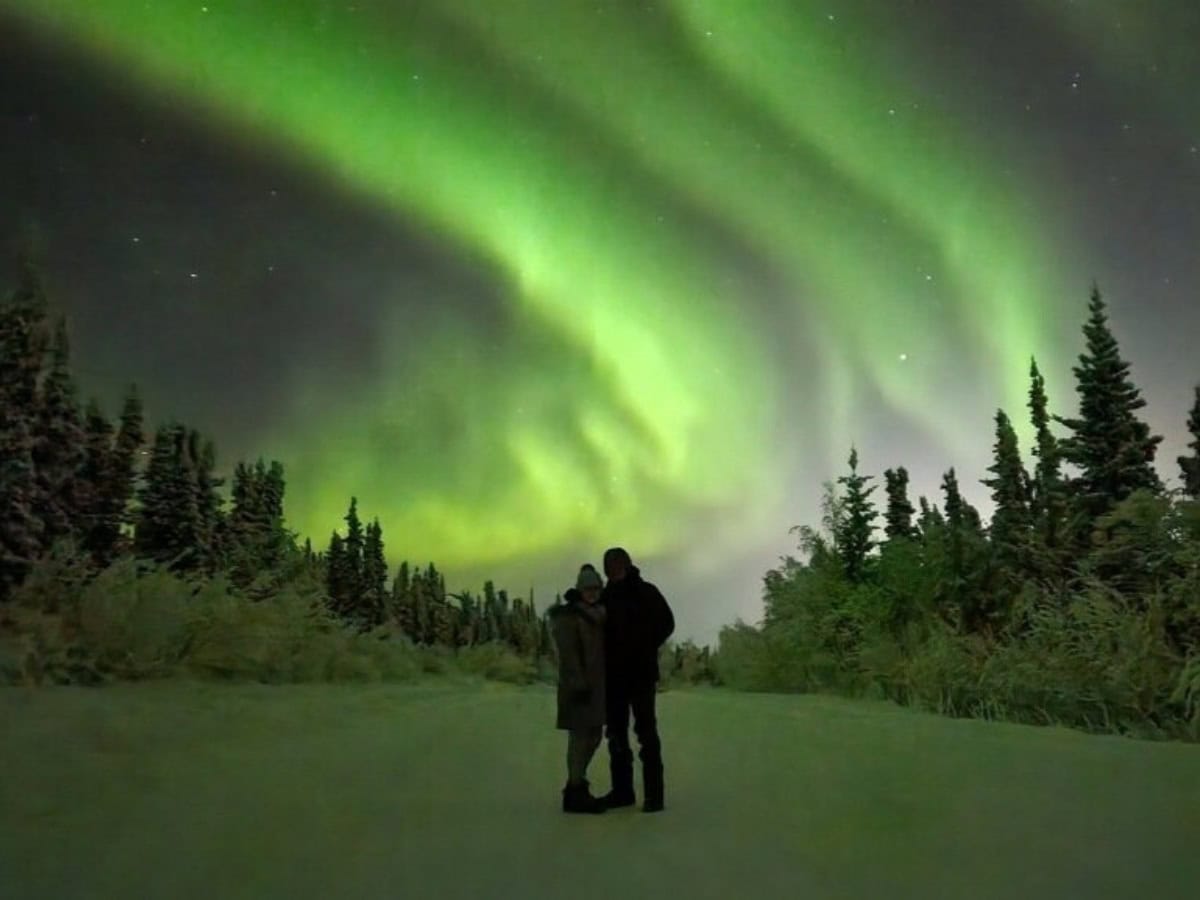
If your dream is to trek Patagonia’s Torres del Paine, plan your itinerary around that. If you’re heading to Alaska for a fly-over northern lights experience, you’ll need to time your trip accordingly. Prioritizing your adventures will help structure your trip effectively and ensure you fit in exactly what you need to enjoy your trip.
Additionally, it’s a good idea to allow time for secondary activities, but remain flexible in case of weather changes or delays.
8. Take a Look at All Transportation Options Before Booking
Adventure travel often requires multiple modes of transport from flights, buses, ferries, rental cars, tuk-tuks, and even pack animals in remote areas. You’ll need to consider how you’ll get from one place to another and factor in travel times, road conditions, and costs.
Many times, we have found that seemingly simple travel routes come with their own challenges that you would never expect until you go to book.
The problem with this is that if you don’t take a look at every single transportation method for the trip prior to booking, you may find yourself in trouble if you have to change your destinations or reverse your travel order in order to get somewhere.
Transportation reservations are not always fully refundable, so it’s always best to look at the trip as a whole before booking any part.
9. Research Accommodations
Where you stay can greatly enhance or diminish your adventure. Decide whether you prefer remote eco-lodges, rustic campsites, local guesthouses, or boutique hotels, and see what your destination(s) of choice actually offer.
In many areas, you may be restricted to only one or two variations of lodging with abundant travelers seeking shelter, so advance reservations are often crucial to ensuring you have a place to stay!
We always check reviews for safety, comfort, and proximity to our planned activities to make the most out of our time, and compare pricing across multiple platforms (i.e. booking direct vs. third party).
10. Plan Your Itinerary
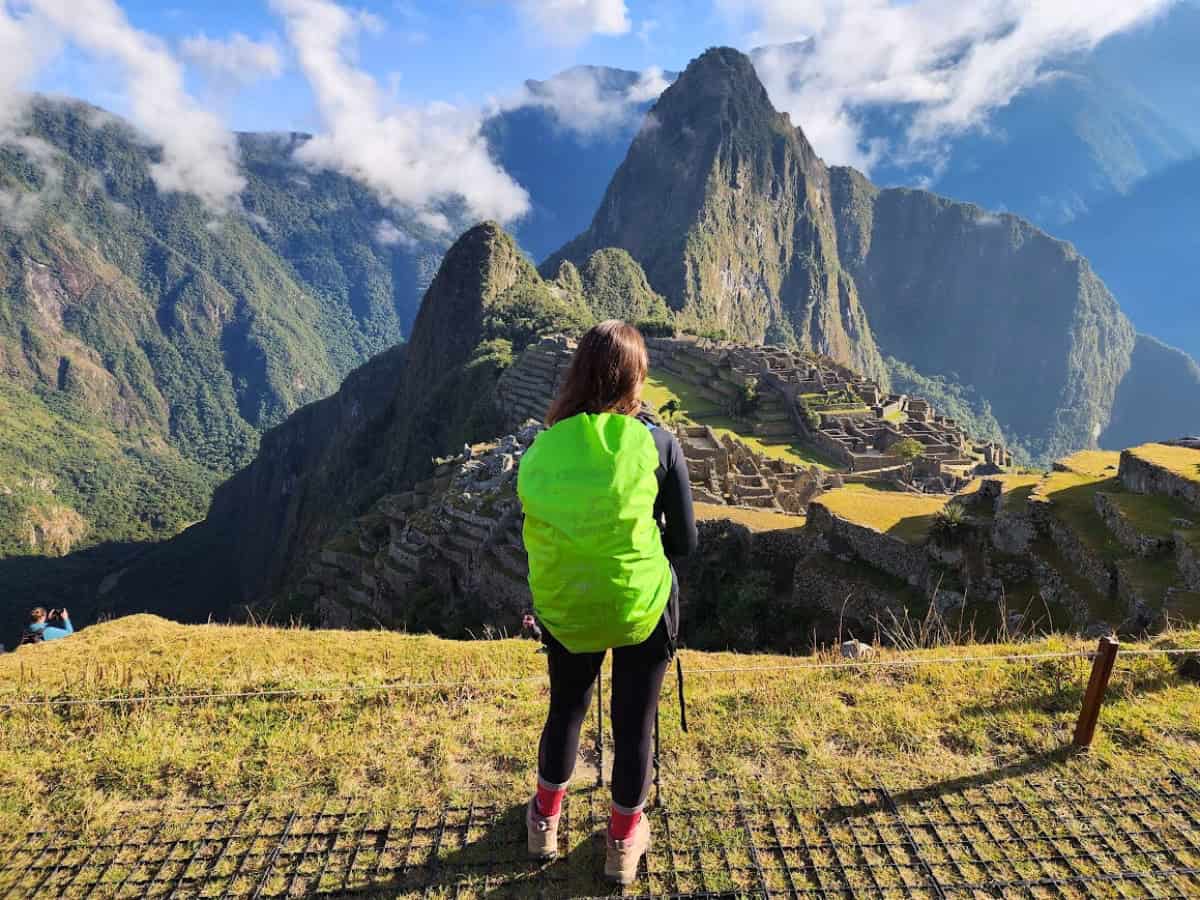
Once you’ve determined your key destinations and activities, checked transportation logistics and accommodation availability, and ensured your proposed trip could fit into your budget, it’s time to map out a detailed itinerary.
Be sure to consider your ideal trip and when the best time of year is to execute it, since time of year can massively affect availability and cost.
Once you have your itinerary written down somewhere, double-check that you’ve avoided overpacking your schedule, and leave room for spontaneous experiences.
Adventure travel planning can get you started on the right foot when it comes to seeking out unforgettable experiences, but if you leave no wiggle room in your itinerary, then you’ll be missing out on the things that can’t be planned- whether it’s an impromptu sunrise hike or a conversation with locals that leads to an off-the-map excursion.
11. Book Your Travel Arrangements
Once your itinerary is set, it’s time to book major travel arrangements including flights, accommodations, permits, and any guided excursions. The earlier you book the better, especially for high-demand adventure destinations like African safaris (we typically suggest booking 12-18 months out for these) or high-altitude guided treks.
We also like to look for flexible cancelation policies in case our plans change or we learn of something even cooler in the months leading up to our trip.
If you plan on renting a car while abroad, you’ll need to confirm licensing requirements (and whether or not an international driver’s license is necessary), and typical road conditions and driving hazards.
12. Set Up Home, Pet, and Plant Care
While you’re off adventuring, make sure everything is taken care of at home. Arrange for pet sitters, plant care, mail collection, and security measures if needed. If you’ll be away for an extended time, consider setting up auto-pay for bills and notifying your bank of travel dates and destinations to avoid issues with transactions.
This is also the time to set up any international phone plans or create a plan for how you’ll get in touch with people back home should the need arise. We have a dog so we always book a pet sitter who doubles as our home sitter and mail collector.
13. Gather the Right Gear
Adventure travel often requires specialized gear so be sure to make a checklist based on your activities. Some items, like hiking boots and backpacks, we usually recommend bringing yourself so you know they fit well and don’t cause discomfort.
Other items like trekking poles, sleeping bags, snorkel gear (minus the snorkel itself – ew), etc. you can often find in your destination.
Pack light but smart, prioritizing durable, multipurpose gear. I’m become the queen of minimalist packing, often only carrying a single backpack for a month’s worth of travel. If you’re traveling internationally, check baggage restrictions for airlines online before heading to the airport to avoid any unwanted baggage fees!
14. Begin Physical and Mental Preparations
If your trip involves strenuous activities, whether they be physical or mental, start training in advance. Strengthen your endurance for long hikes, practice with gear like backpacks or trekking poles, and mentally prepare for potential challenges like altitude changes or extended periods without modern comforts.
To be honest, depending on where you go, physically preparing yourself is the easy part -it’s the mental and emotional challenges that get to most people!
It’s important to remember that outside of your home, you have no control over the condition of where you stay or the standards of what you eat. You may find that a luxury hotel in a 3rd world country has black mold in the shower – you’re just going to have to make it quick and keep your mouth out of the water.
You’ll also see that in most places around the globe, touching someone else’s food with bare hands is both normal and expected. No, you shouldn’t ask for a new order just because someone touched it since this will often be taken offensively.
There’s really not much of a point in bringing these experiences up to locals since they’re often aware of the problems but have very limited ways of fixing them. Remember that adventure travel isn’t always stunning paragliding experiences and Insta-worthy cliff jumps.
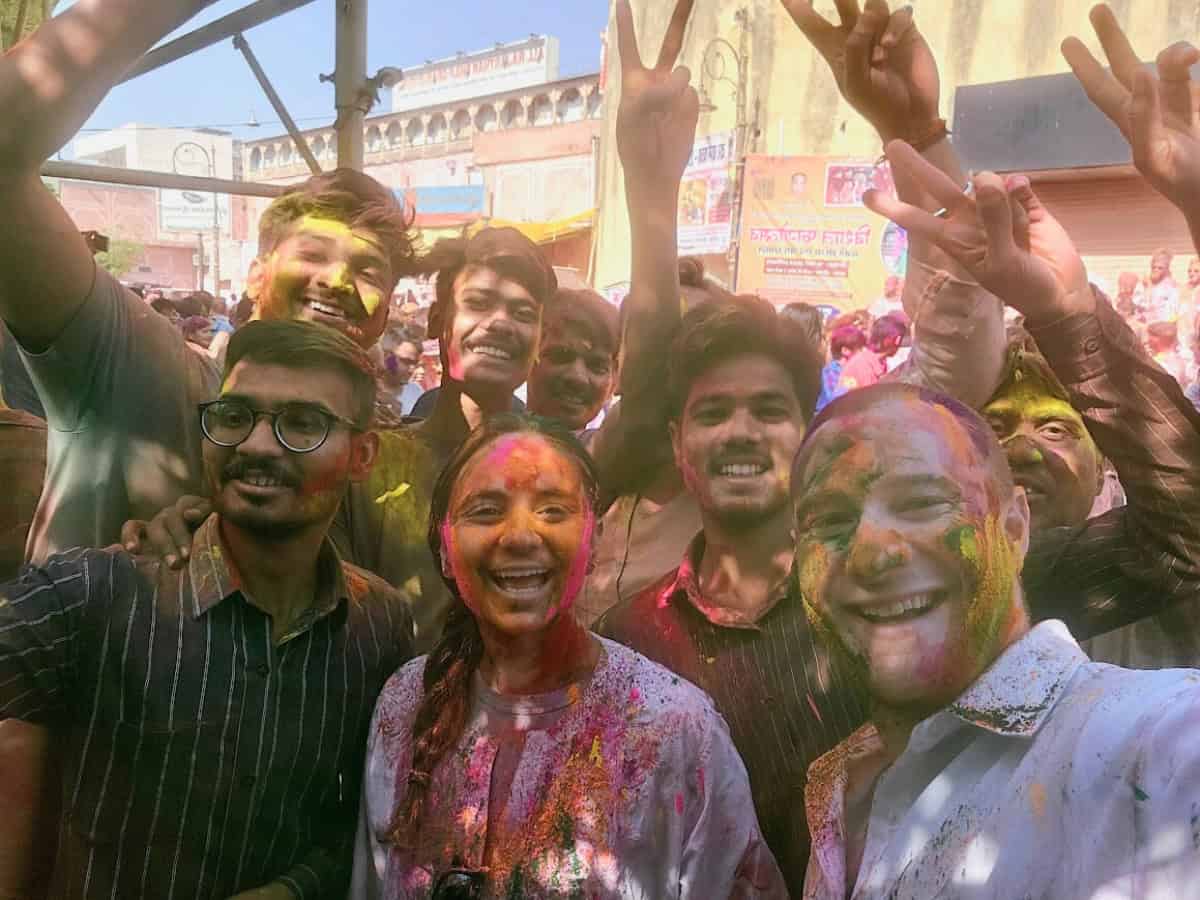
It’s fully immersing yourself in a local culture, so to get to those local spots that nobody knows about, you’re going to have to get through, well, the locals!
15. Book Your Travel Insurance
Never embark on an adventure trip without proper travel insurance. We’ve made this mistake too many times to count, and now it’s just part of our adventure travel planning checklist.
Choose a policy that covers all adventure activities, medical emergencies including helicopter med-flights if applicable, trip cancelations, and lost or stolen valuables.
Double-check policy details to ensure it covers the specific activities you plan to do. Some insurance companies exclude high-risk sports like mountaineering or scuba diving, so you’re going to have to read through their “covered activities” list.
Having reliable coverage will give you peace of mind throughout your journey, and we always use SafetyWing to do just that! They’re extremely affordable and cover a ton of activities, so we never think twice about booking with them.
Sound Like a Lot of Steps?
We know the process of crafting custom adventure itineraries can be overwhelming, but we’re here to help!
FAQ
Why Choose Concannon Adventure Travel?
We are the premier adventure travel planners for explorers of all ages and budgets! Unlike many travel agencies and planning services that cater exclusively to luxury travelers or specific destinations, we believe adventure should be accessible to everyone.
Whether you’re a family looking to bond over an unforgettable journey, a couple seeking an off-the-beaten-path escape, or a solo traveler ready to push your limits, we’re here to make your dream adventure a reality.
With firsthand experience traveling the world and taking part in some of the most epic excursions, we bring expert knowledge in international exploration and safety.
Adventure should be thrilling, not overwhelming. That’s why we handle the logistics, do all of the research for you, prioritize your well-being and interests, and collaborate with trusted local partners to ensure every step of your journey is seamless.
All you have to do is embrace the adventure and we’ll take care of the rest!
What are the Different Types of Adventure Travel?

Adventure travel comes in many forms, catering to different interests, fitness levels, and adrenaline thresholds. In our experience, we have found that there are 5 different types of adventure travel including:
1. Extreme Sports (rock climbing, skydiving, skiing, and snowboarding)
2. Hiking & Trekking (from steep ascents to high-altitude endurance climbs)
3. Wildlife & Safaris (from Africa’s plains to the Arctic’s icy expanses)
4. Road Trips & Overland Expeditions (1,000+ mile journeys through remote regions)
5. Water-Based Adventures (scuba diving, whitewater rafting, sailing, kayaking, snorkeling and paddleboarding)
How Do You Plan a Travel Adventure?
Planning an adventure trip requires a mix of excitement, organization, and flexibility. To plan a travel adventure, follow these steps:
1. Define Your Interests
2. Set a Budget
3. Choose a Destination & Timeframe
4. Check Entry & Safety Requirements
5. Plan Your Itinerary
6. Book Accommodations & Transportation
7. Arrange Adventure Activities
8. Gather Essential Gear
9. Prepare Physically & Mentally
10. Get Travel Insurance
What is One Example of Adventure Travel?
One great example of adventure travel is trekking to Everest Base Camp in Nepal. This journey takes travelers through the breathtaking landscapes of the Himalayas, passing remote villages, suspension bridges, and Buddhist monasteries along the way.
It’s a physically demanding yet rewarding experience, requiring preparation for high-altitude trekking and unpredictable weather. Of course, this is just one of unlimited adventure travel planning ideas that we often work with, so get in touch today to have us get started on your perfect vacation!
Planning an adventure trip is an exciting process that opens the door to incredible experiences, personal growth, and unforgettable memories. We love bringing our clients to the places they’ve always dreamed of going, but never thought they’d get to. In fact, that’s why we do it!
We created Concannon Adventure Travel to help people like us when we were new to the world of adventure travel. We made our fair share of mistakes wasting time, money, and opportunities simply because we didn’t know what we didn’t know. Fortunately, we had the chance to learn, adapt, and embark on even greater adventures.
Now, we use that hard-earned expertise to ensure you don’t make the same mistakes we did! Concannon Adventure Travel Planning Services is here to take the guesswork out of planning, giving you the confidence to explore the world with ease. Let us handle the details so you can focus on the adventure. Get in touch with us today and let’s start planning your next great journey!
Embark on Your Next Adventure Today
Unleash your inner explorer with our custom adventure services!
