Are the Northern Lights Better in Norway or Finland?


If you’re planning a trip to Lapland to see the aurora borealis, you’ve probably asked yourself: are the northern lights better in Norway or Finland?
There are some pretty insanely gorgeous aurora photos of both, so it makes sense that most people don’t know which one to choose when they start planning their trip to Northern Scandinavia.
I’ve spent time chasing the lights across both countries in winter, driving remote roads, standing on frozen lakes, and even watching them dance from my cabin windows, and honestly, they’re both spectacular!
To help you get a better idea of which one to visit if you don’t have time to go to both (which is the most recommended option) by breaking down what it’s really like to see the northern lights in both Norway and Finland.
I’ve covered visibility, accessibility, cost, crowd levels, and overall experience including the best viewing locations in each country and what kind of traveler each destination is best for.
If you’re trying to decide between Tromsø and Rovaniemi or somewhere even farther off the grid, this comparison will help you figure out which country fits your style of travel and your chances of seeing the aurora!
No hype, no tour company ads. Just a realistic look at what to expect when northern lights hunting in Norway vs. Finland.
👉 P.S. – be sure to grab your free PDF packing list for visiting the Arctic Circle in winter!
Northern Lights in Norway vs. Finland: An Honest Comparison
While aurora viewing in Norway and Finland was incredible, the experiences felt totally different. Here’s how they actually compare when it comes to the things that matter like visibility, accessibility, cost, and the overall vibe of the trip.
1. Visibility & Weather Conditions
- Finland
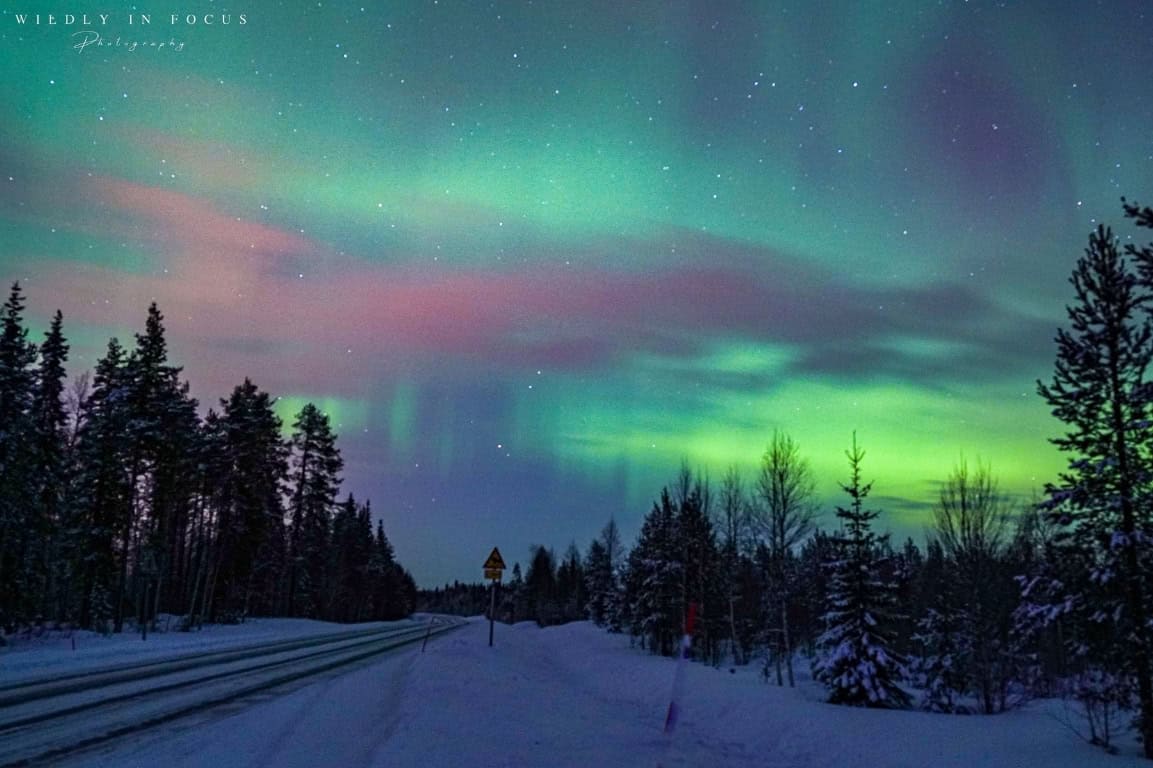
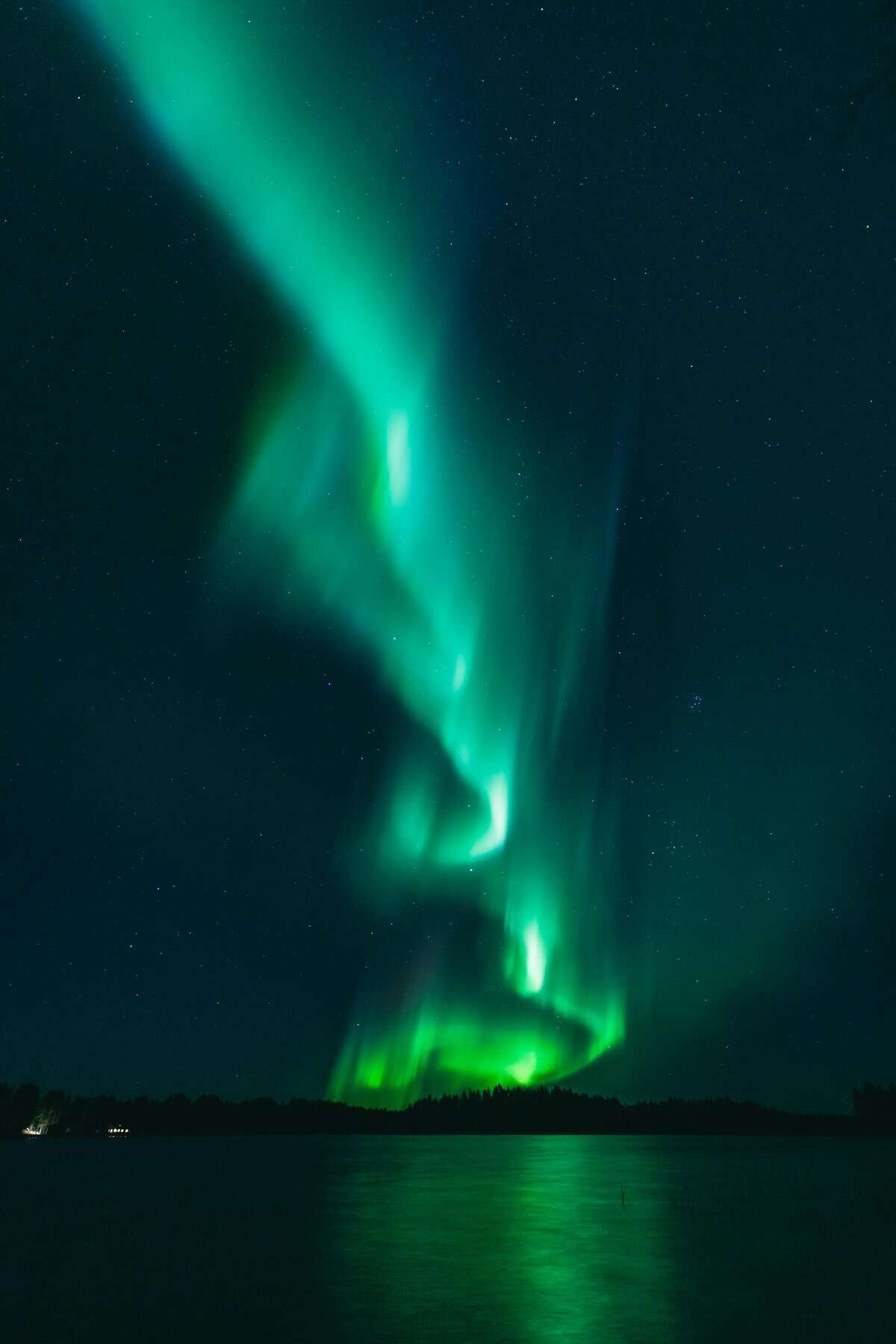
Finland, especially areas like Abisko and Rovaniemi, is known for its dry, stable weather, which makes a big difference when it comes to cloud cover.
The skies tend to stay clearer for longer, giving you better odds of catching the aurora over multiple nights. Places like Abisko National Park in Sweden are famous for this “aurora microclimate,” where clear nights are more common than anywhere else in Lapland. - Norway
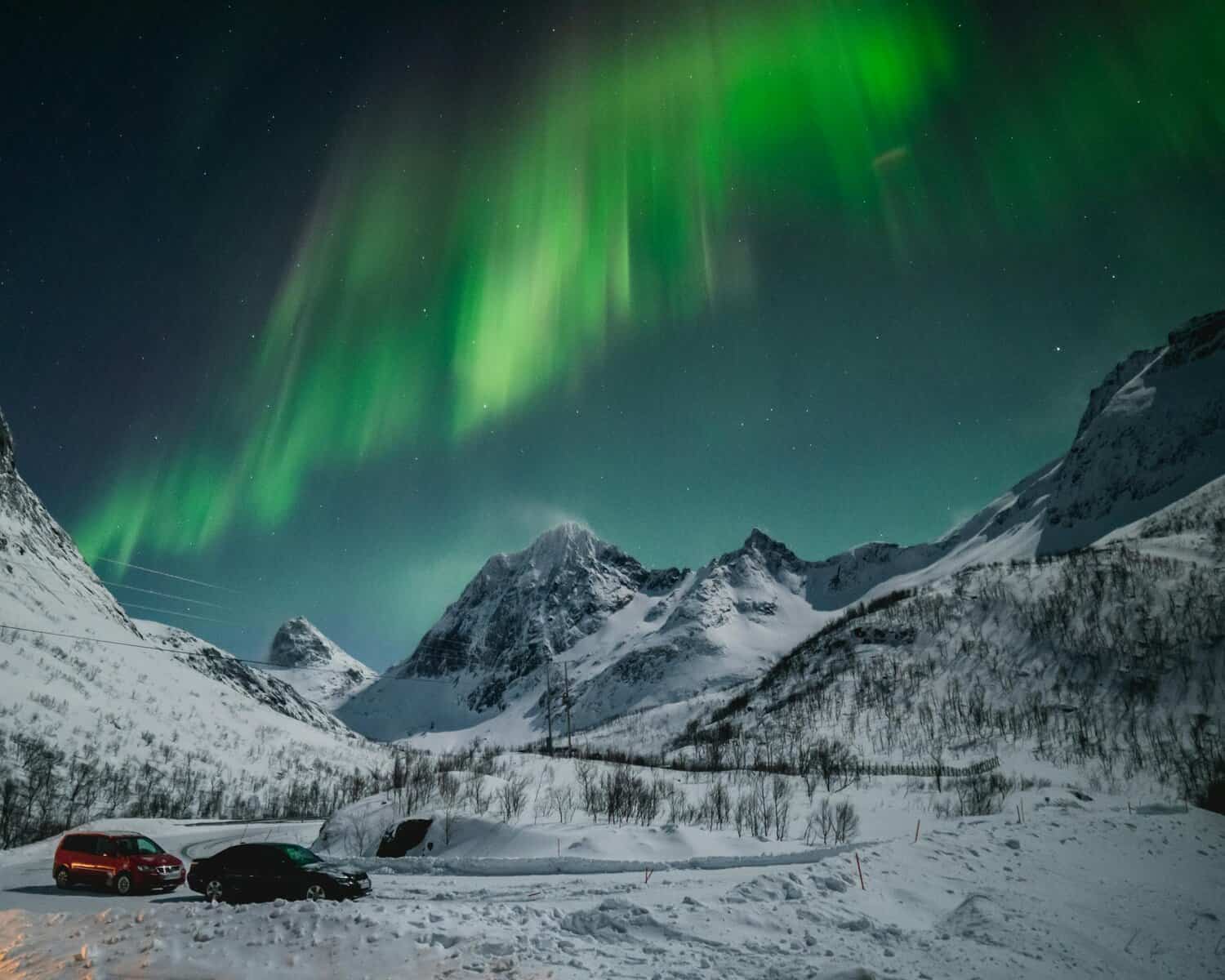
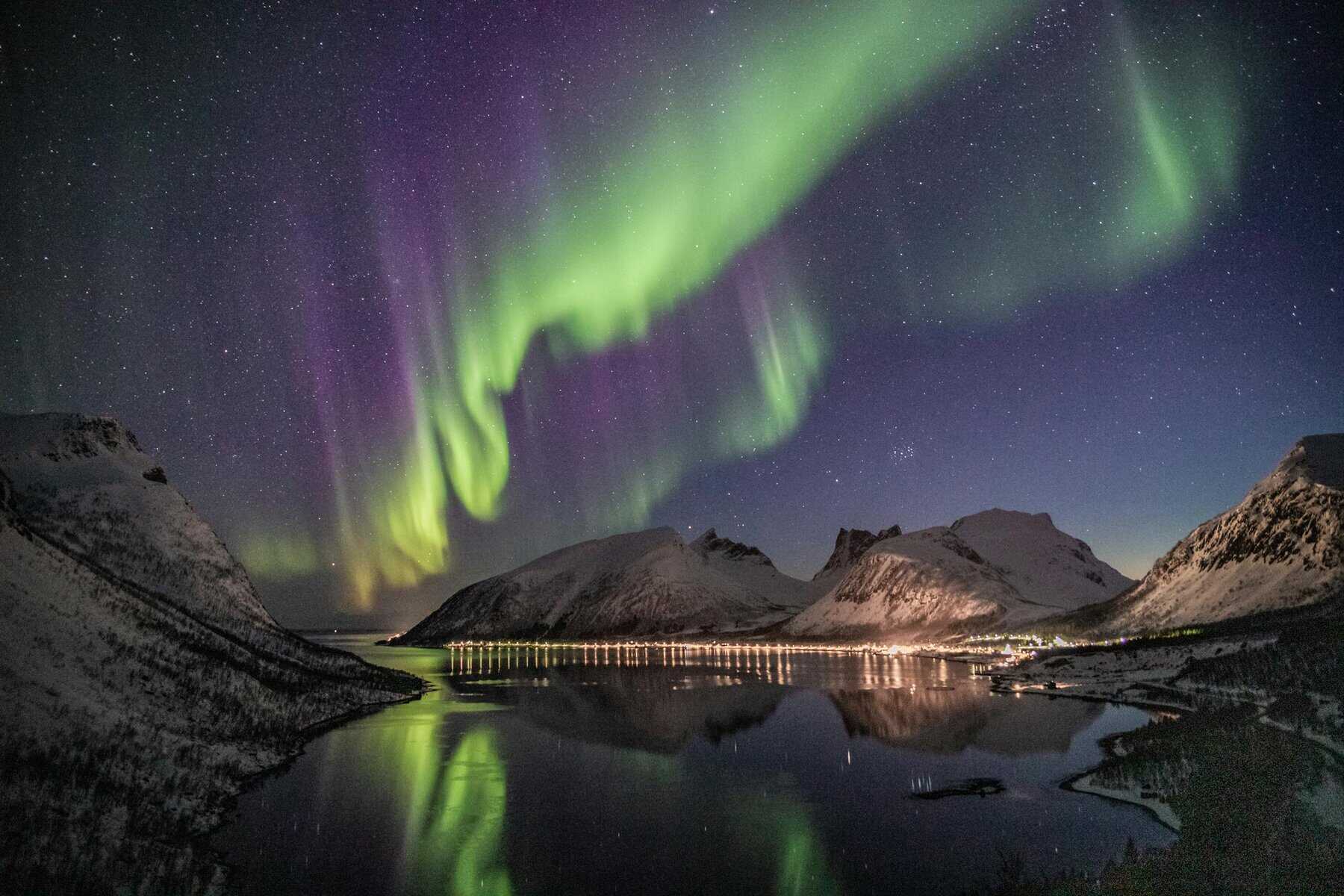
In northern Norway, you’ve got locations like Tromsø, Senja, and the Lofoten Islands, all north of the Arctic Circle. The coastline here is dramatic and stunning, but the weather is less predictable. Cloud cover rolls in quickly, especially with the warmer coastal air.
That said, the auroras in Norway tend to be very strong and active when skies are clear.
💬 My experience: I had clearer skies in Finland and saw the lights for multiple nights in a row. In Norway, the display was stronger, but I had to wait out more clouds to get it and could have benefited from more time there.
2. Accessibility & Travel Logistics
- Finland
Flights into Rovaniemi or Ivalo are frequent in winter, and once you arrive, everything is well-connected. Roads are easy to drive, guided day tours are popular, and towns are small and manageable.
It’s very doable for first-time winter travelers even if you don’t want the hassle of renting a car. Most viewing areas are just a short drive or walk from wherever you’re staying thanks to the overall lack of major cities (even Rovaniemi is quite small and easy to escape!) - Norway
Getting to Tromsø is also easy thanks to direct flights from Oslo and other European hubs. But if you want to reach more remote places like Senja or Lyngenfjord, you’ll need to rent a car or rely on ferries.
The terrain is steeper, the weather can make driving harder, and distances between locations are longer. Landslides and visibility-destroying storms are also quite common, and even caused my flights from Tromsø and Bodø to Leknes to get canceled on 3 separate occasions.
💬 My experience: Finland felt more straightforward for planning and getting around. In Norway, I was very glad to have extreme winter driving experience from my time living in Alaska since getting from place to place takes a lot of time and flights are often canceled.
3. Costs
- Finland
Finland isn’t cheap, but it’s noticeably more affordable than Norway across the board. Accommodation options in places like Rovaniemi, Ivalo, and Inari range from cozy cabins to mid-range hotels without insane price tags.
Northern lights tours in Finland are relatively reasonable too. You can expect to spend around €70–€120 per person for a basic aurora chase, depending on whether it includes photography or hot drinks. You can also skip the tour entirely if you’re staying somewhere remote and have clear skies.
Car rentals are affordable by Arctic standards, usually around €40–€70 per day, and winter tires are standard. Parking is easy and usually free or cheap, even at popular spots like Santa Claus Village or small national parks. - Norway
Norway is expensive, and northern lights hunting is no exception. In Tromsø, basic aurora tours start around €150–€200 per person, and more specialized small-group or photography tours can hit €250+.
Many tours last 6–7 hours and involve long drives chasing clearer skies, which partly explains the cost, but it still adds up fast if you’re traveling with a group or family.
Car rentals in Norway are higher too, averaging €80–€120 per day in winter, and if you’re planning to visit places like Senja or the Lofoten Islands, you’ll also need to budget for ferry tickets and occasional parking fees. Gas is pricier as well.
💬 My experience: In both Finland, I was able to rent a car, self-drive to good viewing spots, and eat relatively well without feeling like I was bleeding money. In Norway, between car rentals, fuel, food, and expensive accommodations, the costs stacked up way faster.
4. Crowds
- Finland
Even during peak northern lights season (December to March), Finland feels pretty spread out.
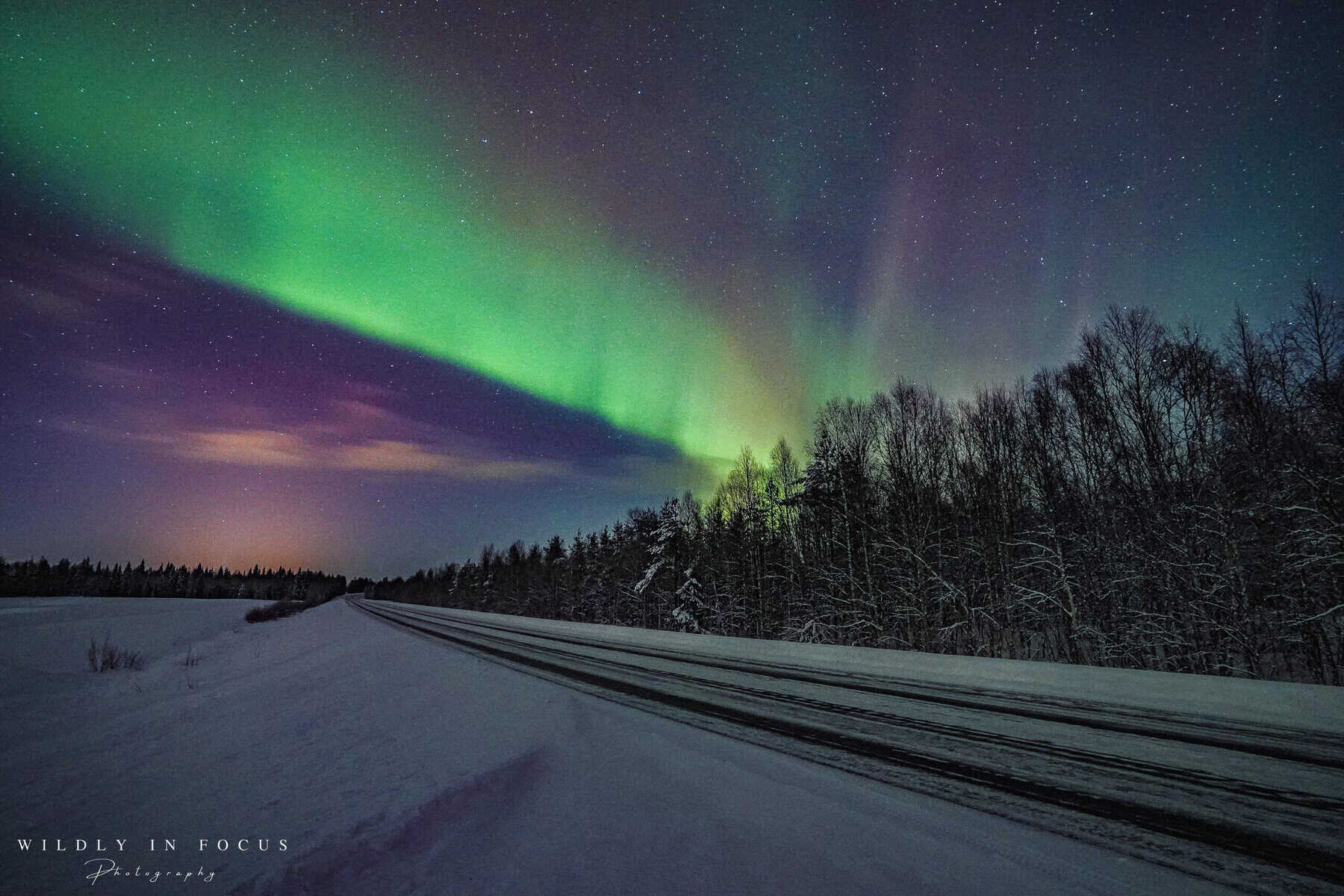
In places like Rovaniemi, yes, you’ll see tourists, especially around Santa Claus Village, but once you get outside of town into Inari, Saariselkä, or wilderness areas like Pallas-Yllästunturi National Park, it feels quiet and remote. You can watch the aurora with maybe one or two other people around or even no one at all. - Norway
Tromsø gets crowded. It’s one of the top northern lights destinations in Europe, and in winter, it can feel packed with tour groups, cruise passengers, and people cramming into buses to chase the aurora.
Outside Tromsø (like in Senja or Lyngen Alps), it thins out a lot, but in town, you’ll notice the dozens of tour buses all driving up to the same mountain viewpoints.
💬 My experience: Finland felt calmer and less staged. In Norway, the crowds didn’t ruin it, but it did feel a little harder to find those quiet, solo moments unless I made an effort to get farther away from the city.
5. Type of Experience
- Finland
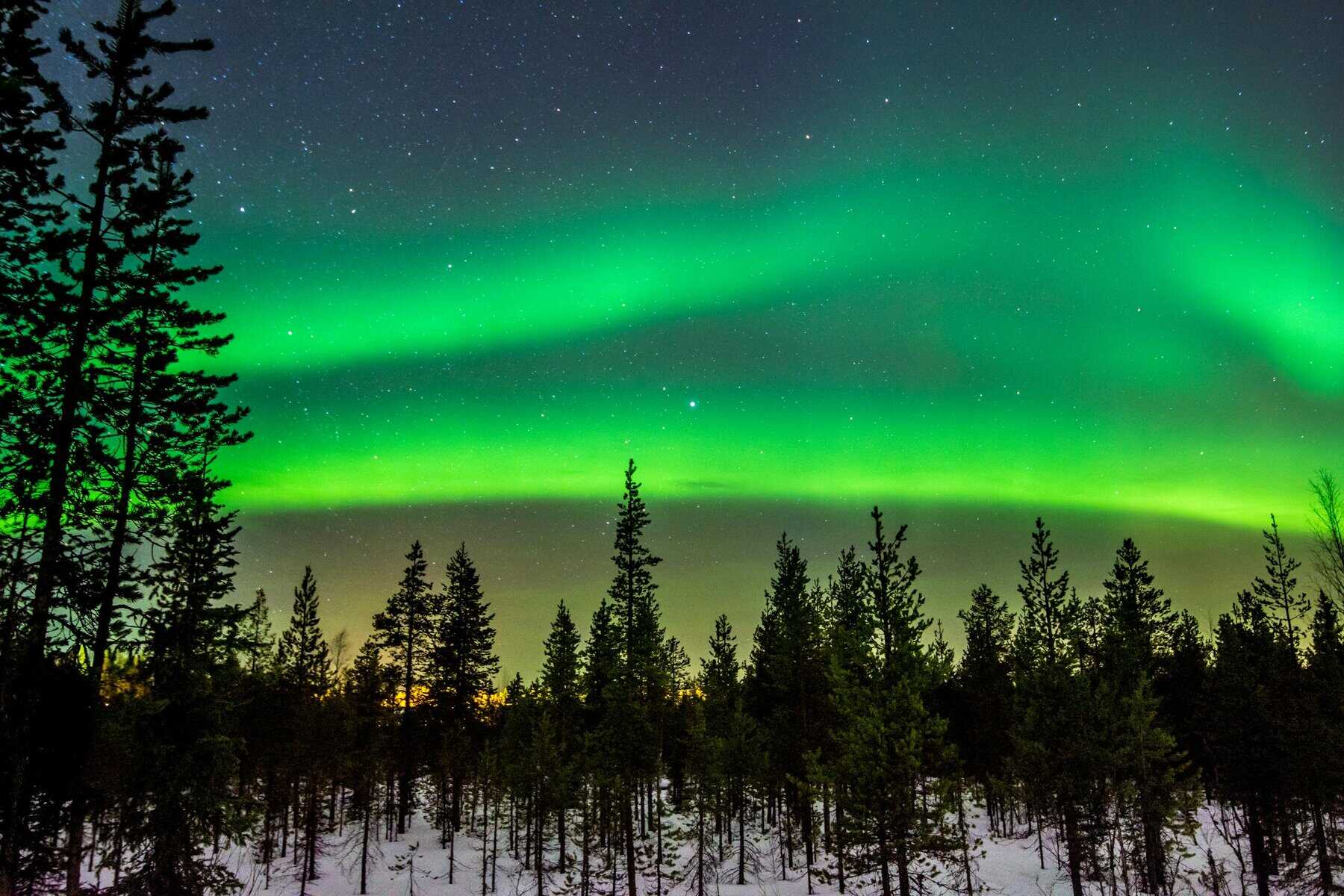
Finland is slow, cozy, and relaxed. You spend your nights in cabins with fireplaces, snowshoe out onto frozen lakes, and watch the lights in silence.
It’s perfect if you want an independent, low-key trip without relying on a lot of guided tours. It’s less dramatic scenery, but it feels wilder and more personal. - Norway
Norway feels bigger and more adventurous. If you want to hike to dramatic viewpoints, photograph fjords under the northern lights, or combine your trip with kayaking or whale watching, it’s hard to beat.
You’ll probably rely more on tours, ferries, and long drives, but the scenery makes the extra effort worth it.
💬 My experience: Finland felt more personal and easy to build into a relaxing trip. Norway felt bigger, bolder, and more dramatic, but also more tiring and complicated if you’re trying to cover a lot of ground.
Best Northern Lights Viewing Locations
In Finland
- Abisko National Park (technically Sweden, but close enough for travelers hopping between Lapland regions, is famous for clear skies)
- Saariselkä and Inari – Quiet, remote areas north of Rovaniemi with almost no light pollution
- Pallas-Yllästunturi National Park – Huge, empty, and absolutely perfect for northern lights if you’re willing to snowshoe or hike a little
- Rovaniemi (outside city center) – If you stay just 20–30 minutes outside town, the skies are surprisingly good
In Norway
- Tromsø (outside city center) – Decent viewing right outside town if you drive north along the fjords
- Lyngen Alps – Sharp mountain peaks + northern lights = insane photos
- Senja Island – Quieter than Tromsø, with dramatic coastal views
- Alta – Much farther north, but a hidden gem if you want clear skies and fewer crowds
Are the Northern Lights Better in Norway or Finland?
If you’re stuck between Norway and Finland, here’s a simple way to figure out which one might be a better fit based on the kind of trip you want:
Choose Finland if you want:
- A calmer, slower-paced trip
- More chances at clear skies and steady aurora visibility
- Cozy cabins, saunas, and snow-covered forests
- Easy self-driving and straightforward travel logistics
- A slightly more affordable trip overall (especially tours and car rentals)
- Less crowds and a more personal, independent experience
- The option to see the lights right outside your accommodation without a tour
Choose Norway if you want:
- Dramatic landscapes like fjords, mountains, and coastal views under the aurora
- A mix of adventure activities (dog sledding, whale watching, skiing)
- A bigger, more bustling base like Tromsø with lots of restaurants and tours
- Stronger aurora displays when skies are clear (but with more weather risk)
- A more active, road-trip style vacation with ferries, long drives, and rugged terrain
- Higher-end or luxury options if you’re willing to spend more
FAQ
How likely am I to see the Northern Lights in Finland?
If you stay for at least a few nights during the dark winter months, it’s pretty likely that you’ll see even a small glimpse of the auroras.
In places like Saariselkä, Inari, outside of Rovaniemi, and Pallas-Yllästunturi National Park, you can have a 70–80% chance of clear enough skies over a 3–4 night trip.
The weather tends to be more stable in Lapland compared to coastal areas, so many travelers with high hopes of seeing the auroras tend to base their trip around these regions.
What are the best dates to see the Northern Lights in Finland?
The best time to see the northern lights in Finland is between late September and late March.
Many websites will tell you that the clearest skies and the best balance of daylight and aurora viewing are found between mid-February to mid-March , but rain also becomes more possible during this time.
December and January are actually the best thanks to the polar night, but be prepared for much colder temperatures.
How likely am I to see the Northern Lights in Norway?
Around Tromsø, Senja, or the Lyngen Alps, chances are good on clear nights, but cloud cover from the coast can get in the way.
If you stay between 4–5 nights and are willing to drive or take a guided chase, you’ll have a strong chance (about 60–75%).
What are the best dates to see the Northern Lights in Norway?
The best time to see northern lights in Norway is from late September through late March, just like Finland. February and early March usually offer a good combination of aurora activity and more daylight hours to explore, but the chance for clouds drastically increases.
If you really want to see the auroras, head to Norway in late-December through January!
Is it better to book a northern lights tour or go on your own?
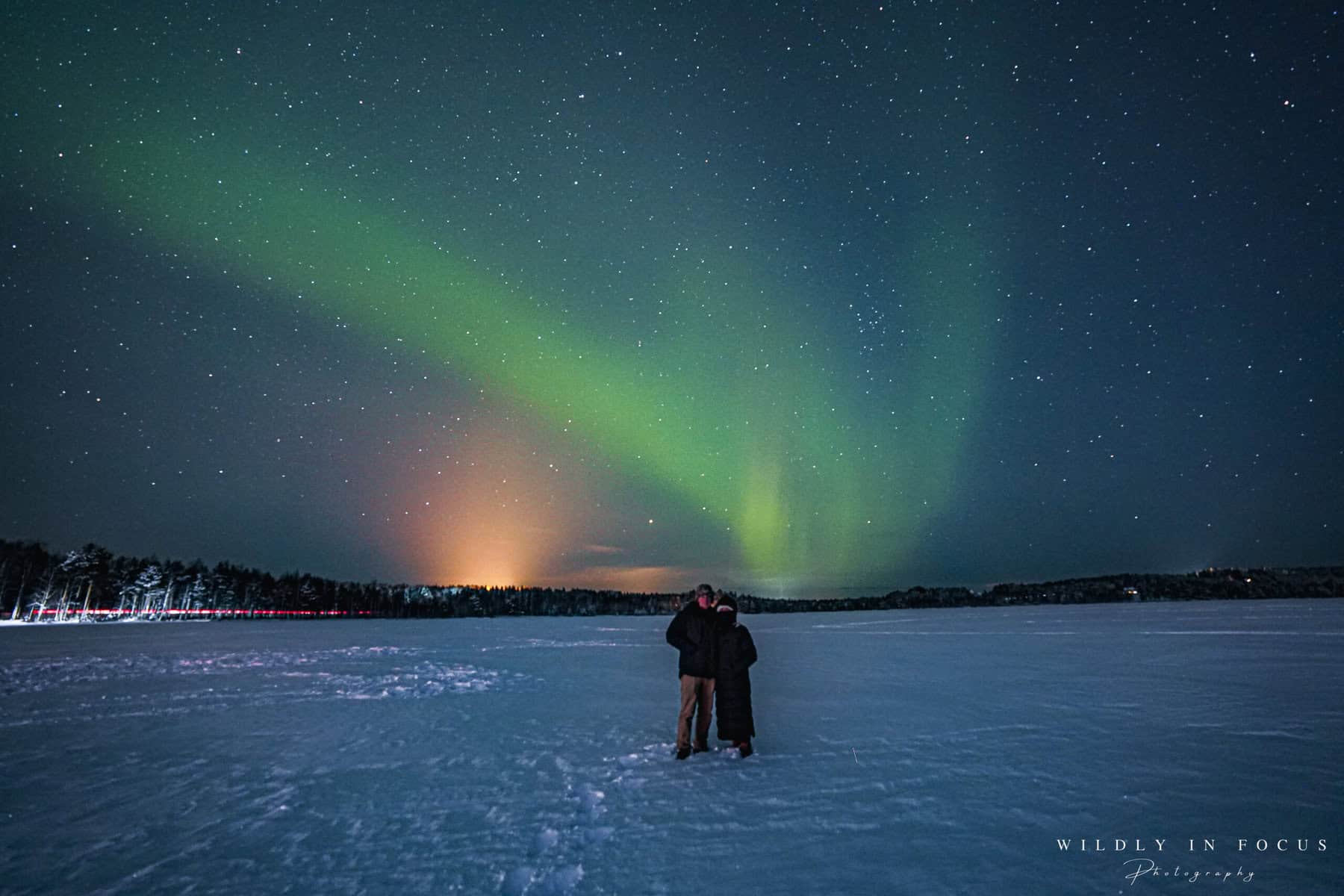
In Finland, if you stay outside the cities, you often don’t need a tour since you can see the aurora from your cabin or a frozen lake.
In Norway (especially around Tromsø), tours are more useful because they can drive you away from bad weather toward clearer skies.
If you’re comfortable driving in potentially extreme winter conditions, then you really don’t need a tour in either place.
That being said, most travelers aren’t as experienced or comfortable with winter driving as they should be to drive on roads above the Arctic Circle after November. So, it’s imperative that you carefully consider your abilities and how a mistake could cost you more than just the price of a guided aurora tour!
How cold does it get during northern lights season?
In, Finland, it can drop to -20°C to -30°C (-4°F to -22°F), especially in January and February. Dry cold, but serious cold. It can stay this way for days at a time, so an Arctic Circle winter packing list is essential (download it at the end of this post!)
In Norway, coastal areas like Tromsø and Senja are milder, around -5°C to -15°C (23°F to 5°F), but it often feels wetter and windier.
When it comes to chasing the northern lights, there’s no single “better” choice between Norway and Finland. It really depends on the kind of experience you’re looking for.
Norway offers dramatic landscapes and bold adventures, but with trickier weather and higher costs. Finland gives you quieter skies, cozy cabins, and easier logistics, all wrapped up in a slower, more personal style of travel.
After traveling through both countries in winter, we can honestly say both have a lot to offer. If you’ve been asking yourself are the northern lights better in Norway or Finland, the truth is you can’t go wrong. But, knowing what each country does best will help you plan the trip that’s right for you!
✅ Up next, check out my top guide on Visiting a Reindeer Farm in Rovaniemi or see if Tromsø Worth Visiting in Winter if you’re planning a trip to Finland or Norway this winter!
