
The Best Time to Visit Normandy 2025 Travel Guide


As one of the most iconic places to visit in France, Normandy has become somewhat of a staple on everything from quick visits to multi-week itineraries. But, what many tourists don’t realize is that there isn’t just one best time to visit Normandy, but several!
Personally, I’ve found the spring to be the ideal time to visit, despite popular opinions gearing towards the peak summer months. Of course, if you’re looking to combine your Normandy tour with a trip to France’s idyllic Riviera, then the summer months may better suit your personal preference.
However, if you want to avoid the crowds and high prices that come with peak tourist season, then keep reading so I can share with you all of the information that comes with visiting Normandy during this beautiful time of year!
In this post, I’ve provided ample information on Normandy’s different travel seasons, how to get to and around the region, how much time you should budget for a trip to Normandy, and how to access the D-Day beaches among a multitude of other essential information.
What is the Best Time To Visit Normandy, France?

The best time to visit Normandy is in the spring between the months of April and May when the landscape is set ablaze with the vivid hues of blooming flowers, and everything seems to awaken from the winter slumber.
This is the season when the sea breeze is mild and the historical sites less crowded – providing the perfect setting for an immersive and leisurely exploration.
Thanks to spring lying outside of France’s peak tourist season months of June through August, this is also when you can find fantastic deals on flights, accommodations, and even tours!
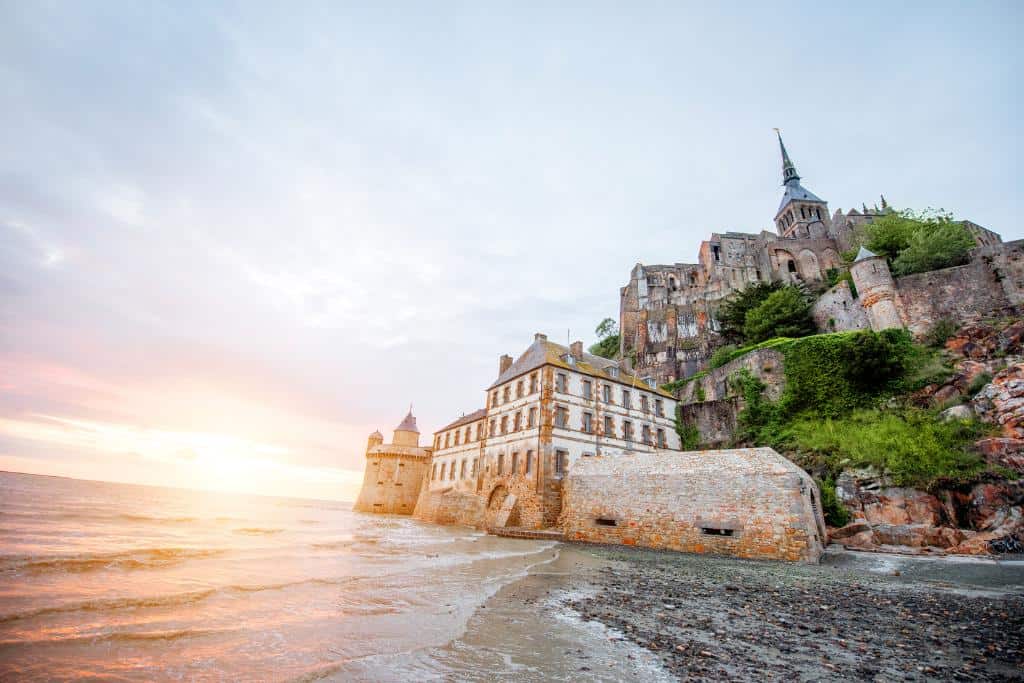
Whether it’s the vibrant Monet’s Garden in Giverny, the solemn Omaha beach, or the impressive Mont Saint-Michel, each place offers a unique experience that’s made even more memorable in the peace of spring.
Not to mention, the weather is just right – not too hot, not too cold – making your strolls through the charming, cobblestone streets of quaint Norman villages all the more enjoyable.
The first time I visited France was in the month of May, and you’ll hear me say in my article on The Best Time to Visit Paris for Travelers, that this month is ideal for everywhere from the major cities of Paris and Lyon to the smaller villages of Bayeux.
How to Get to Normandy
Getting to Normandy can be an adventure in itself, made all the more exciting by the various modes of transportation that you can choose from!
If you’re coming from abroad, then your best option is to fly into Paris, France’s capital. From Paris, it’s a short domestic flight to Deauville-Normandie Airport, the region’s main airport, though this typically isn’t recommended due to the hassle of going through more airport security and the higher costs it entails.
Alternatively, you can choose to take the train (my personal favorite way of getting around France and the rest of Europe). France has an extensive and efficient rail network, and direct trains from Paris to major cities in Normandy like Rouen and Caen take about two hours.
If you’re someone who prefers driving over flying or taking the train, then renting a car is a great option too! Car rental agencies are plentiful at Paris airports and across the city and you can usually score a pretty good deal (under 30 euros a day is a good rate).
A drive from Paris to Normandy takes approximately three hours, giving you the luxury of stopping by quaint little towns and capturing the stunning landscape en route of your France itinerary.
What is the Best Way To See Normandy?

When it comes to the best way to see Normandy, you have several options from joining a guided tour to making use of the local transportation.
Guided tours elevate the Normandy experience by providing historical context, removing the stress of navigating between all of the sites, and ensuring you get to everything within an allotted amount of time.
Whether you choose a tour dedicated to exploring the region by bike, bus, or on foot, you can find a wide range of guided tours designed to cater to your personal preferences.
For those who prefer to explore at their own pace, renting a car or using public transportation are viable alternatives. However, before you go ahead and rent yourself a car, ensure that you or someone you are traveling with is comfortable navigating foreign roads (and road signs!) including pumping their own gas, dealing with tight parking situations, etc.
While it is very doable for most tourists to rent a car and make their way through Normandy, it does take away from the experience, particularly for the driver.
Instead of being able to focus on the outside scenery, at least one person in your group will need to be focused on the road instead of the sites, so it’s usually recommended to go with a tour where nobody in your group will be responsible for the safety and transportation of others.
↪️If you are interested in a tour for your visit to this popular French region, be sure to take a look at these 11 Top-Rated Normandy Tours from Paris for 2025!
Normandy, France – Weather By Month
Normandy’s weather varies greatly by month, but typically the climate is temperate with a mild maritime influence.
➡ January to March: These winter months can be quite chilly with average highs around 45 degrees Fahrenheit (7 degrees Celsius) and lows around 35 degrees Fahrenheit (2 degrees Celsius). Rainfall is quite frequent.
➡ April to June: Spring brings warmer temperatures ranging from 41 to 68 degrees Fahrenheit (5-20 degrees Celsius). Rainfall decreases.
➡ July to August: Summer is the warmest season, with temperatures reaching up to 75 degrees Fahrenheit (24 degrees Celsius). These are also the driest months.
➡ September to October: Autumn temperatures range from 51 to 69 degrees Fahrenheit (10-20 degrees Celsius) and the scenery becomes particularly beautiful with the changing foliage.
➡ November to December: The weather turns colder and rainier, with temperatures ranging from 36 to 53 degrees Fahrenheit (2-12 degrees Celsius).
Remember, Normandy’s maritime climate means weather can be unpredictable throughout the year, so it’s a good idea to pack layers and always have a rain jacket handy!
Travel Tips for Visiting Normandy
While visiting this iconic French region may seem pretty self explanatory, there are a few things that you may not expect so I’ve shared them below to best prepare you!
- Known as the “Retreat Ceremony”, the American Cemetery in Normandy provides a nightly ritual where the American flag is lowered and retired until the following morning.
This commemorates the fallen American soldiers from the landings at Omaha Beach that are now buried at the cemetery and those who were never found. This is an emotional display that you can see for free each night, and is usually performed just one hour before the cemetery closes for the evening. - If you aren’t aware, Normandy is actually a region in France, not a specific town. The region encapsulates everywhere from Le Tréport in the north, Parc naturel régional du Perche in the south, Mont Saint-Michel in the southwest, and La Hague in the far west.
I’ve included a map of the region of Normandy below so you can see the exact region. - Caen, Le Havre, and Rouen are the biggest cities in Normandy, however, they’re also the most touristy. You can find exceptional (and more local) accommodations in Étretat, Honfleur, and Bayeux.
- Omaha Beach is home the iconic metal beach sculpture and several remains of German bunkers. If you are short on time and are having difficulty choosing just one historic destination, then Omaha Beach and Utah Beach are great options.
- If you choose to take the train to Normandy, you can arrive in either Caen or Bayeux. From there, you can either join a guided tour, rent a car, or make use of public transportation (although the ladder would be quite time consuming).
Normandy Cost & Budget Calculator
We all know that France isn’t the cheapest of destinations, but costs can vary quite largely depending on the region you visit. Thus, I’ve created my own Normandy budget calculator below to help guide your expenses on your next trip to Normandy!
FAQ
I’ve created this complete Normandy travel guide to cover everything from the best time of year, month, and even the day of the week to visit Normandy, with some more information on how much time you should spend in the region and the average temperatures in Normandy by month.
Is Normandy Worth Visiting?

Normandy is among the top historical sites not just in France, but all of Europe, and is absolutely worth visiting!
It offers a unique blend of rich history from the American Cemetery, stunning landscapes in Fécamp, and enthralling culture throughout Caen, Bayeux, and Le Havre among other small towns.
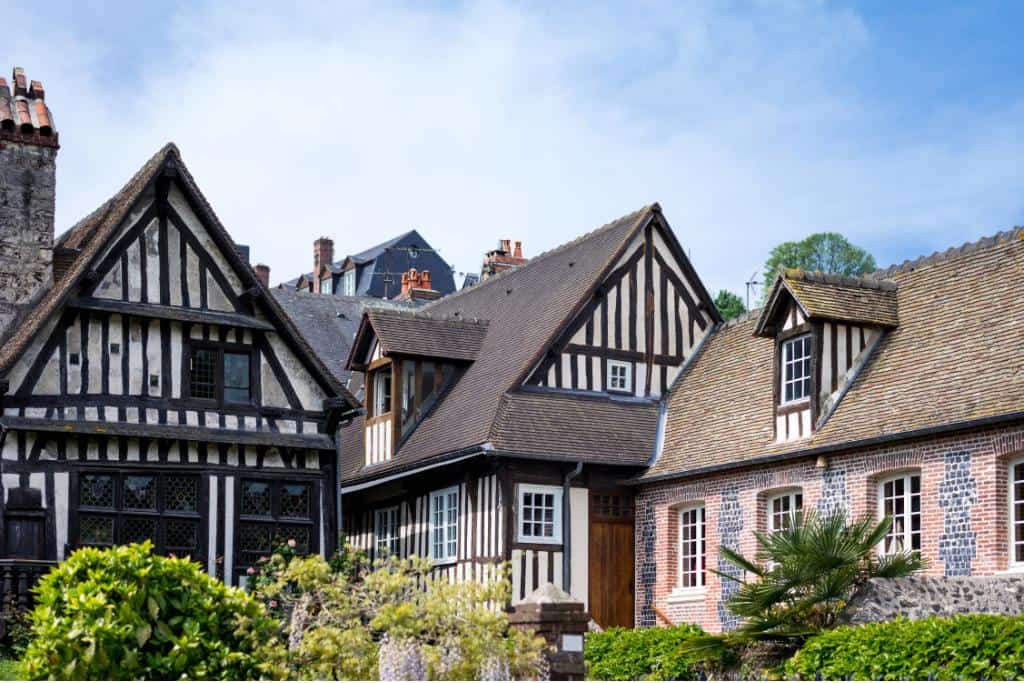
From the historical D-Day landing beaches to the quaint half-timbered houses, from the breathtaking cliffs of Étretat to the world-renowned Mont Saint-Michel, Normandy is packed with sights that cater to a wide variety of interests.
Additionally, gastronomic delights such as cider from the local orchards (Famille Dupont Estate is a popular favorite), Calvados (apple brandy), and Camembert cheese originate from this region.
Normandy provides a wealth of experiences that you wouldn’t want to miss out on whether you’re looking for history, food, scenery, or culture!
↪️ Pro Tip: For a more in-depth look at the history behind D-Day and Normandy, check out the Eisenhower Presidential Library for a complete breakdown of the events that happened here.
How Many Days Do You Need To Visit Normandy?
A minimum of two days is recommended for a quick overview, allowing you a day to visit the D-Day beaches and related sites and another day for Mont Saint-Michel and surrounding sites.
However, the number of days you need to tour Normandy largely depends on your personal interests and how deeply you wish to explore the region.
If you want a more immersive experience, exploring the smaller towns, indulging in local cuisine, and taking in the culture and natural beauty, planning for a 4-5 day trip is ideal.
This gives you enough time to absorb the region’s top sites at your own pace!
What is the Best Day of the Week to Visit Normandy?

When considering the best day of the week to visit Normandy, it largely depends on how your itinerary is set up, but if you’re able to swing it, then midweek days, such as Tuesday to Thursday, are generally less crowded.
This is particularly true for popular tourist spots like the D-Day beaches and Mont Saint-Michel. Museums and attractions in general have fewer visitors, allowing for a more relaxed and personal experience.
Plus, you’re likely to find better pricing and more availability on guided tours. Keep in mind, though, that some smaller attractions and shops in rural areas may close one day midweek.
So, it’s always a good idea to check the opening days and hours of the places you wish to visit in advance.
What is the Hottest Month in Normandy France?
The hottest month to visit Normandy, France is August when temperatures hit an annual high around 72 degrees Fahrenheit.
Thanks to Normandy’s location along France’s western coast, heat waves of uncomfortable temperatures are far more rare, making June through August the best time to visit for warm weather.
However, this is also when crowds are at an all-time high.
If you’re looking for pleasant weather and fewer crowds, the shoulder seasons of spring (April to June) and fall (September to October) are ideal.
During these months, the region’s natural beauty is on full display, and you’ll avoid the hustle and bustle of peak summer tourist season.
The temperatures during these times are still typically comfortable, averaging between 50-60 degrees Fahrenheit. If you’re planning to explore outdoor sites, these moderate temperatures can provide an enjoyable experience.
However, if you’re a history buff aiming to commemorate the D-Day anniversary, you might want to consider visiting in early June despite the crowds. The region holds various special events and reenactments to mark the anniversary of the D-Day landings.
You will unintentionally succumb to higher travel costs, but it’s worth it if you find value in returning to Normandy for the anniversary of June 6.
How Long to Spend in Normandy Overall?

If you are looking to cover only the major landmarks such as the D-Day beaches and Mont Saint-Michel, a 2-3 day trip should suffice.
However, if you wish to immerse yourself fully in the Normandy experience, meaning taking the time to explore its charming towns, indulge in the local cuisine, spend some time on the beach, and attend the nightly ceremony at the American Cemetery, then a week-long stay is more appropriate.
A friend of mine recently returned from a 6-day trip to Normandy, and she actually said she wished she had more time and she’s already planning a return trip!
She’s a big history buff and loves learning about WWII so this was a natural fit for her, but I actually found that I could see Normandy in just 2-3 days (I’m less of a history enthusiast).
Ultimately, no matter how long you choose to stay, Normandy is sure to leave a lasting impression, but depending on your interests, you may choose to set aside more or less time for the region.
What are the D-Day Beaches in Normandy?
The D-Day beaches in Normandy are historically significant sites where the Allied forces landed on June 6, 1944, to commence Operation Overlord during World War II.
There are five beaches, each assigned to different units:
1. Utah Beach: The westernmost landing site, Utah Beach saw the landing of the US 4th Infantry Division. It is now home to the Utah Beach Landing Museum.
2. Omaha Beach: The bloodiest of the D-Day beaches, Omaha Beach was assigned to the American forces. The Normandy American Cemetery and Memorial is located nearby.
3. Gold Beach: This was the central landing area where the British 50th Infantry Division came ashore.
4. Juno Beach: Canadian forces landed here. Today, you can visit the Juno Beach Centre, a museum dedicated to Canada’s role in WWII.
5. Sword Beach: The easternmost beach, it was also assigned to British forces.
Each of these beaches offers visitors a unique perspective into the massive operation that took place here in 1944 and the brave soldiers who fought for freedom.
Do You Need a Car to See Normandy?

While it’s possible to explore Normandy using public transportation and guided tours, having a car definitely enhances your flexibility and convenience.
Normandy’s landmarks are spread out across the region, so having your own vehicle allows you to visit these sites at your own pace without worrying about train or bus schedules. Plus, driving through Normandy’s picturesque countryside is an experience in itself!
But, if you’re not comfortable driving, consider hiring a guided tour. They usually provide transportation and can offer valuable insights about the region’s history and culture.
In summary, a car isn’t absolutely necessary, but it can greatly improve your Normandy experience if you don’t want to have a guide.
Can You Do Normandy and Mont St Michel in the Same Day?
Ideally, it would be better to dedicate at least one full day each to Normandy and Mont St Michel, with a day in between to stroll through the charming towns and villages along the way.
While it’s technically feasible to visit both Normandy and Mont St Michel in a single day, it’s important to remember that these are two vast and historically rich areas that require time to fully appreciate.
Normandy is known for its D-Day beaches and war memorials, while Mont St Michel offers a unique blend of natural beauty and architectural splendor.
Trying to cram both into a single day could result in a rushed and less enjoyable experience.
Can You Walk on the D-Day Beaches?

Absolutely, you can walk on the D-Day beaches. These sites, while being significant historical landmarks, are also functioning beaches that the public can enjoy.
As you stroll along the sands, you’ll be walking in the very footsteps of the soldiers who landed here during World War II, making for a very poignant and humbling experience.
Be sure to take the time to reflect on the immense courage and sacrifice exhibited on these shores, and please always remember to respect these sites due to their historical significance (i.e. don’t leave trash, pet droppings, etc.)
Is There a Direct Train from Paris to Normandy?
Yes, there is a direct train service from Paris to Normandy. The journey from Paris St-Lazare to Caen, one of Normandy’s main cities, typically takes around 2 hours on a direct Intercités service.
There are also direct trains available to other towns in Normandy, including Rouen and Le Havre. The train provides a comfortable and scenic journey, and is a popular choice for those who prefer not to drive.
It also makes it very convenient for those who want to take a day trip from Paris!
Remember, however, that train schedules may vary, so it’s important to check availability and book your train tickets in advance if this is something you’re considering.
What Do You Wear on a Normandy Tour?
What to wear on a Normandy tour largely depends on the time of year and the weather. Given Normandy’s temperate and unpredictable maritime climate, it’s essential to dress in layers and be prepared for all conditions.
During the chillier winter months (January to March), consider packing warm clothing like a heavy coat, scarves, gloves, and hats. Waterproof shoes or boots are essential if you plan to walk on the D-Day beaches.
For the mild spring months (April to June), a light jacket or sweater should suffice, and perhaps a waterproof jacket or umbrella for those notorious spring showers.
In the warm summer months (July to August), lightweight and breathable clothing is recommended—think shorts, t-shirts, and light dresses—but don’t forget a light sweater for cooler evenings.
During autumn (September to October), bringing a sweater and a warm jacket would be wise, as temperatures can vary.
Regardless of the season, comfortable shoes are a must, given the amount of walking involved in most tours. Additionally, don’t forget to pack a hat and sunglasses for sun protection, especially during summer visits.
Are There Still Bunkers on Normandy Beach?

Yes, several bunkers and fortifications from the World War II era are still present along the Normandy coast.
These structures are a part of the “Atlantic Wall” defensive system built by the French (as enforced by the Germans) during the war. Many of these bunkers are open to the public, providing a firsthand glimpse into the region’s history.
Some notable examples include the Longues-sur-Mer battery and the Pointe du Hoc Ranger Monument. While visiting, it’s crucial to maintain respect for these historical sites due to their significance.
Normandy offers a rich tapestry of history, culture, and natural beauty. From the solemn D-Day beaches and wartime memorials to the picturesque countryside and architectural marvels like Mont St Michel, this region is absolutely worth visiting at any time of the year.
Whether you choose to drive, take a train, or join a guided tour, the best time to visit Normandy is whenever you have the chance!
