
BEST Time To See the Northern Lights in Iceland 2026


What is the best time to see the northern lights in Iceland? Can I see northern lights in Reykjavik?
Having witnessed the northern lights on dozens of occasions myself between Alaska and Iceland, I’ve become a bit of a pro when it comes to determining when my chances are at their highest for spotting an aurora borealis display.
And Iceland, with its breathtaking landscapes, is unsurprisingly one of the prime locations to revel in this celestial display! Plus, with its convenient location directly located between North America and Europe, it requires far less travel time than that of Alaska or Finland.
So, the best time to experience this natural spectacle in Iceland is during the winter months, from late September to early April, when the nights are long, dark, and clear.
Even within the busy city limits of Reykjavik, one can catch a glimpse of these dancing lights, although heading to less light-polluted areas improves your chances.
To truly capture the magic of the northern lights, preparation and timing are key – and that’s what I’m going to teach you about in this article.
Not only have I dove head first into timing your trip just right, but I’ve also provided my personal top tips for planning your “hunt”, the best tours you can go on, and a ton of information pertaining to all things northern-lights-related for your trip to Iceland!
What is the Best Time to See the Northern Lights in Iceland?
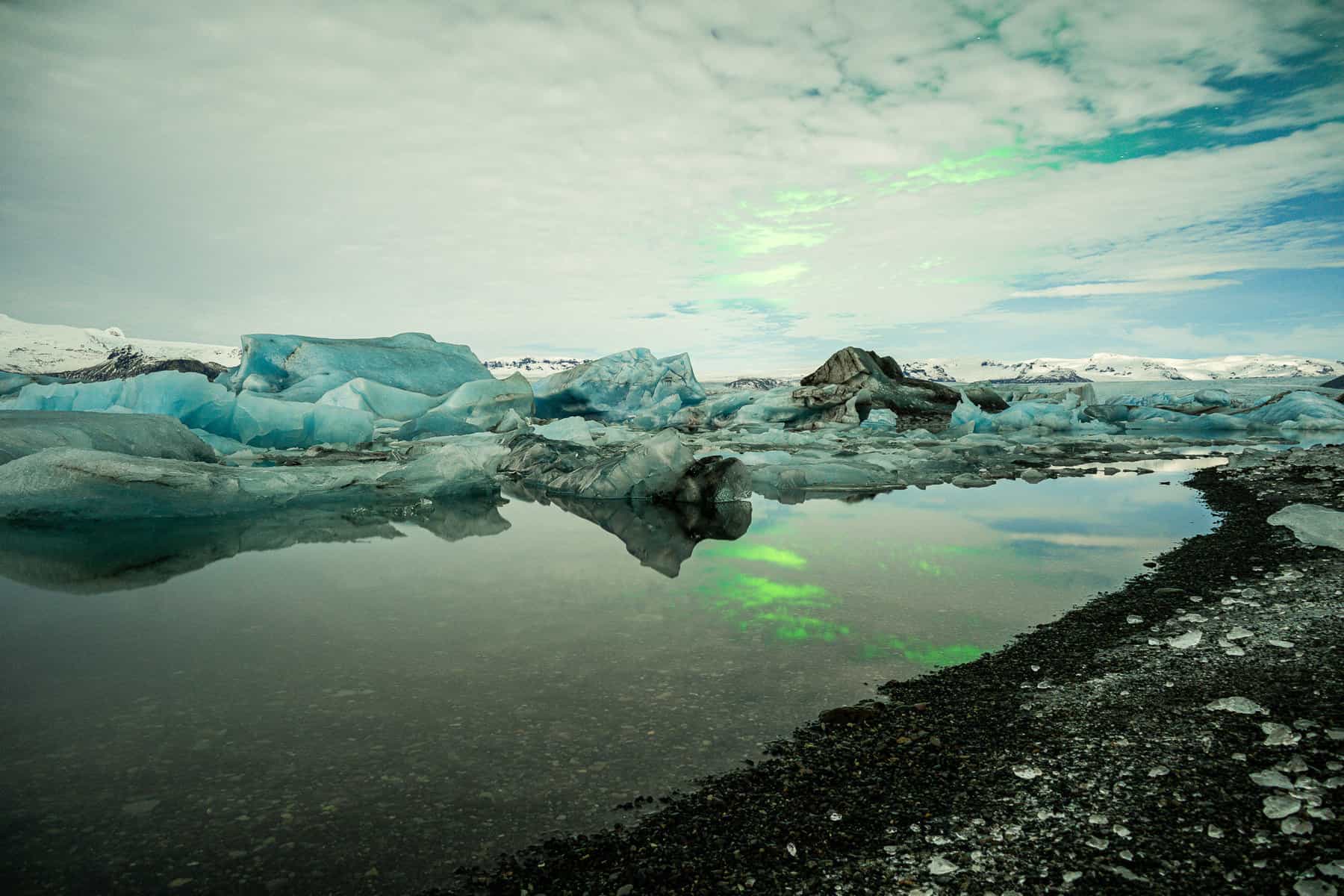
The best time to see the northern lights in Iceland is typically during the winter months, from late September to early April. During this period, the nights are long and dark, providing the perfect backdrop for the lights to stand out.
Additionally, due to the shorter daylight hours, your chances of seeing the lights actually increase since it will get darker sooner and stay dark out longer. In my experience, the best time to see the northern lights (no matter where you are) is between the hours of 10:00pm and 2:00am.
However, the northern lights are a natural phenomenon and their appearance is relatively unpredictable despite several strong assistance sources, so it’s always a good idea to check local forecasts and plan your trip accordingly.
Can I See Northern Lights in Reykjavik?

Location-wise, while it is possible to see the lights from the city of Reykjavik, venturing outside the city to areas with less light pollution will enhance your viewing experience.
This means that you can see the northern lights from within the city limits, but for optimal viewing experiences, it’s best to take a tour or drive out of the city for an unobstructed, unlit view.
Top Tips for Seeing the Northern Lights in Iceland

- Clear Skies are a Must: The first requirement for seeing the northern lights is a cloud-free sky. The more cloudless the sky, the higher the chance of a clear view of the lights. If the forecast is calling for rain, snow, and heavy cloud coverage, do yourself a favor and get some sleep.
- Check the Aurora Forecast: You can regularly check the Iceland Aurora Forecast for up-to-date information about the possibility of seeing the lights. However, my personal choice for checking aurora forecasts for the northern hemisphere is the 30-minute advance forecast created by the National Oceanic and Atmospheric Administration!
- Keep an Eye on Kp Values: Kp values represent the geomagnetic activity and can help predict the visibility of the northern lights. The higher the Kp index on a scale of 0-9, the stronger the activity and the higher the chance of seeing the lights. Many of the minor and major storms I’ve witnessed had Kp values between 2 and 6.
- Consider the Solar Wind Speed: The northern lights are driven by solar winds which is why the three major variables you should be looking at are solar wind speed (300-500km/hour is ideal), the 30-minute advance forecast I mentioned above, and the Kp values (along with limited cloud coverage, of course).
- Consider the Solar Wind Direction: When the interplanetary magnetic field shifts to a southward orientation, the geomagnetic activity intensifies, resulting in a more vibrant and dynamic aurora display.
- Avoid Light Pollution: Try to avoid areas with bright lights. The darker the location, the better the viewing experience. Consider venturing outside of cities or towns to get an unobstructed view such as the national parks (tours are an optimal choice for those unconfident driving in heavy winter conditions).
- Be Patient: Sometimes, the auroras might take a while to appear. Don’t give up too early, as they can show up anytime until the sun starts to rise!
- Bring a Good Camera: if the auroras do happen to create a display for you, you’ll already have your camera on the right settings. Northern lights photos make for amazing Icelandic souvenirs!
Best Iceland Northern Lights Tours
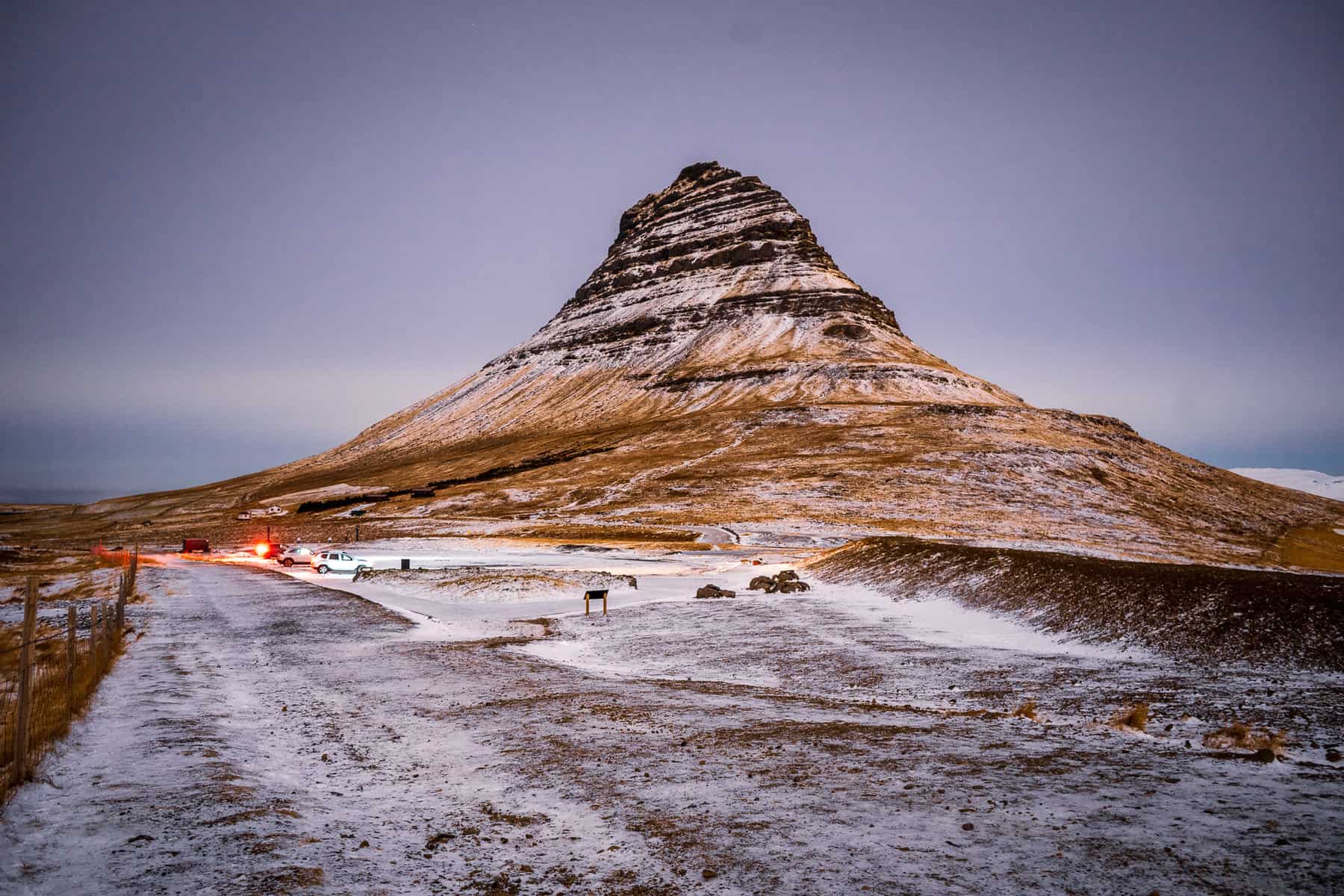
There are a plethora of northern lights tours available in Iceland, offering a myriad of experiences tailored to provide unforgettable memories. These tours cater to all preferences, from intimate small group tours to large coach tours.
Some tours offer unique experiences such as combining a hunt for the northern lights with a dip in the geothermal waters of the Blue Lagoon, or a snowmobile ride across an Icelandic glacier under a starlit sky.
The tour guides are well-versed in catching the elusive lights and will take you to the best viewing spots, away from the city’s light pollution. Some tours even provide professional photography assistance to ensure you capture a perfect memento of your northern lights experience!
Particularly if you aren’t well-versed in driving in snowy and icy conditions, then it’s best to take a group tour where you’ll have a local expert do all the navigating for you.
Below, I’ve made a list of the top 5 best Iceland northern lights tours all provided by local companies, so all you have to do is pick the one that best suits your needs!
✨ 1. Northern lights small group tour with a true expert hunter and photographer
✨ 2. Exclusive Northern Lights tour with PRO photos, home cooked meal
✨ 3. Northern Lights In luxury off-road SUV with Photos and Treats (Private 1-6 Pax)
FAQ
In this next section, I will be addressing some commonly asked questions about the best time to see the northern lights in Iceland in 2026.
Is 2026 Looking Good for Northern Lights Viewing in Iceland?

2025 was a great year for northern lights activity in Iceland and 2026 is already continuing this trend.
It’s essential to remember that viewing the northern lights is dependent on solar activity and clear skies, so even during prime viewing months and times, sightings are not guaranteed.
It’s always best to check the local aurora forecast and weather conditions before planning your northern lights adventure.
When Am I Most Likely to See the Northern Lights in Iceland?
The likelihood of witnessing the northern lights in Iceland is highest during the winter months, particularly from November to January when the nights are long and dark.
However, the natural phenomenon is highly unpredictable and depends on a combination of optimal weather conditions and aurora activity.
It’s most likely to occur on clear, dark nights when there’s high solar activity, as indicated by high Kp values and southward shifts in the interplanetary magnetic field.
Therefore, while you can increase your chances by visiting Iceland during the peak months and paying close attention to aurora forecasts, there’s no absolute guarantee of seeing the northern lights on any given night.
What Month is Best to See Northern Lights in Iceland?

The best month to see the northern lights in Iceland is December.
This is because the nights are at their longest of the year towards the end of the month during the winter solstice, providing more opportunities for sightings. I was lucky enough to see them in November, as well, but I’ve always had the best luck between December and January.
Additionally, there’s a higher chance of seeing other natural phenomena such as ice caves and glaciers before they become inaccessible during the summer months.
However, this is just my personal preference, and as mentioned earlier, sightings are highly dependent on weather and solar activity. So, any month during the winter season can potentially offer an unforgettable northern lights experience in Iceland.
How Likely Is It to See the Northern Lights in Iceland?
Seeing the northern lights in Iceland is not rare as such, especially during the winter months from late September to late March. In fact, thanks to Iceland’s optimal location within the auroral zone, the aurora borealis can be spotted about 8 months out of the year!
However, the appearance of the northern nights is a natural phenomenon, and it is dependent on several factors such as clear skies and high solar activity. Weather conditions and cloud coverage also affect visibility.
In any case, with a bit of luck and the right conditions, one can witness this natural spectacle frequently during the winter season in Iceland.
Where Can I Find the Northern Lights Forecast for Iceland?
Northern Lights forecasts for Iceland can be found on several websites. The National Oceanic and Atmospheric Administration provides the most reliable and updated aurora forecast for the northern hemisphere.
Their website not only provides a 30-45 minute advanced aurora forecast, but also the probability of auroras via a color scale (green being good and red being excellent).
Another useful resource is SpaceWeatherLive, which provides real-time updates on solar activity and a world map showing where the northern lights are currently visible. These resources can greatly enhance your chances of witnessing this breathtaking spectacle.
Can You See the Northern Lights in Iceland in July?

Seeing the northern lights in Iceland during July is highly unlikely. This is primarily due to the almost 20-hour daylight, fondly referred to as the ‘Midnight Sun,’ which lasts from late April to late August.
The long daylight hours limit the darkness required to see the northern lights, making sightings rare and less vibrant during the summer months. Therefore, while technically possible, the chances are significantly lower when compared to the winter months.
Can You See the Northern Lights in Iceland in May?
The chances of seeing the northern lights in Iceland during May are quite low.
May marks the beginning of the summer season in Iceland and with it comes the phenomenon of the Midnight Sun, where the country experiences over 20 hours of daylight.
This extended daylight makes the skies too bright to see the northern lights clearly. While it’s not entirely impossible to witness this spectacle in May, it’s highly unlikely and the lights, if visible, will likely be faint due to the brightness of the sky.
Therefore, for the best chance to see the northern lights in all their glory, it’s recommended to plan your visit during the winter months.
How Long Should I Stay in Iceland to See the Northern Lights?
If you want to ensure you have the best chance of seeing the auroras during your trip to Iceland, it’s best to plan a trip lasting a minimum of 5 nights.
This will provide enough time for a potential storm or pesky cloud coverage to pass. Of course, the longer you can stay in Iceland the better, however, I was able to see them in just 3 nights so it certainly is possible to see them in a short amount of time!
You may see them on your first night or on your last, but it’s important to remember that your trip to Iceland will still be amazing regardless of if you see the lights or not.

Other Helpful Iceland Resources
Is Iceland Expensive? The Ultimate 2026 Breakdown
Do They Speak English in Iceland? 12 Icelandic Phrases
The best time to see the northern lights in Iceland is during the dark, clear winter nights between October and March. However, sightings are highly dependent on weather conditions and aurora activity.
If you’re planning on making a trip to Iceland for the northern lights, be sure you have a plan for staying safe while exploring in freezing conditions!
