Do They Speak English in Iceland?


Do they speak English in Iceland? Do Icelanders speak English as a first or second language? Is Icelandic hard to learn?
Having traveled extensively across southern Iceland myself, I can personally tell you that many of the Icelandic locals we met were able to speak English fluently. That being said, I also met several people who were only able to speak some broken English with very strong Icelandic accents, making it slightly difficult to understand each other.
Icelandic is the national language of Iceland with English being a close second, but in this post, we’re going to discuss the status of the English language in Iceland and how its residents perceive it.
Do They Speak English in Iceland?
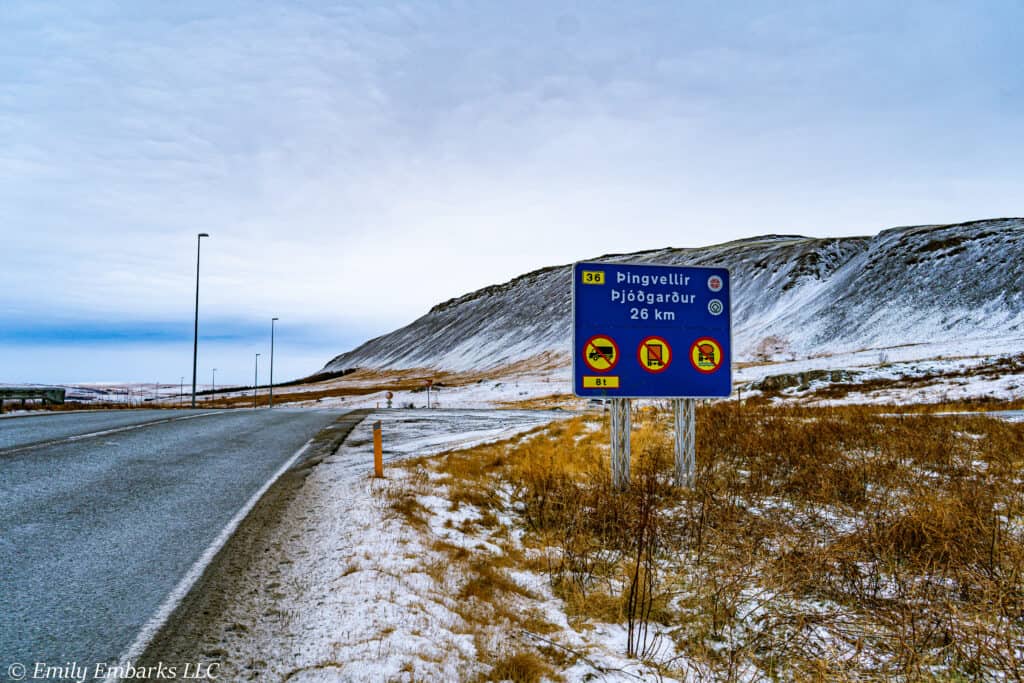
English is widely spoken and understood in Iceland, with the majority of Icelanders speaking it as a second language.
It is said that over 90% of Icelanders speak English to some degree, but keep in mind that this could mean anything from basic proficiency to being completely fluent.
Additionally, English is taught as a compulsory subject in Icelandic schools from a very young age, so even those who may not use it daily are still likely to have some understanding of the language.
Those in grade school and university are far more likely to be proficient in English than the older generations.
Helpful Icelandic Phrases To Know Before You Visit

Here are some basic Icelandic phrases that could prove to be both helpful and thoughtful during your visit:
- Hello – Halló
- Goodbye – Bless
- Please – Vinsamlegast
- Thanks – Takk
- Yes – Já
- No – Nei
- Excuse me – Afsakið mig
- Do you speak English? – Talar þú ensku?
- I don’t understand – Ég skil ekki
- Help! – Hjálp!
- Where is the toilet? – Hvar er klósettið?
- I’m lost – Ég er týndur
Remember, even a slight effort in trying to speak the local language can go a long way in making your trip more enjoyable and engaging.
Icelandic Language
The native language of Iceland is Icelandic, with English being the most widely spoken second language.
Iceland Population

Iceland has a population of over 376,000 people as of December 2023 according to Worldometer and the majority of them reside in the capital city, Reykjavík.
The population is quite small compared to other countries, making it easier for Icelandic to remain as the primary language.
Iceland English-Speaking Percentage
As of early 2026, between 90-98% of Iceland natives speak English, with the variation coming from different sources.
FAQ
In this next section, I’ll be answering some popular questions in regard to speaking English versus Icelandic while traveling in Iceland. Here’s a complete 3 Day Iceland Itinerary for Summer and Winter 2024 if you’ll be heading to the country in the near future!
What Language Do They Speak in Iceland?

The official language of Iceland is Icelandic, a North Germanic language rooted in Old Norse. Icelandic has been the national language since the country’s settlement and is proudly preserved and used by the population.
However, English is widely known and spoken as a second language, especially among the younger generation and in urban areas like Reykjavik.
It’s common to hear English in places frequented by tourists, such as restaurants, hotels, and popular attractions. However, if you venture into more rural areas, then English will become less easy to come by.
Is Iceland Good for English Speakers?
Iceland is a fantastic destination for English speaking tourists since many locals know English and Icelanders are generally happy to converse with tourists in English.
In fact, most signage in Iceland, including road signs and informational signs at tourist sites, are in both Icelandic and English.
However, you will likely meet some locals who appreciate it when visitors show interest in their language, so learning a few basic Icelandic phrases can be a nice gesture.
Is Iceland Friendly to American Tourists?

Iceland is very friendly to American tourists! I can personally attest to this as every local I met was kind, hospitable, and very easy to talk to. The country is known for its warm hospitality and openness towards tourists from all over the world, including the United States.
Not only do most locals speak English fluently, making communication easy, but the country also offers a wealth of attractions such as its beautiful natural landscapes, rich history, and unique Icelandic culture that Americans will find intriguing.
Safety is also a top priority in Iceland, which consistently ranks as one of the safest countries in the world to visit.
How Do You Say Hello in Iceland?
To say “hello” in Icelandic, you would use the phrase Halló which is pronounced with a soft “ah” and “oh” sound. Think HAHL-OH.
Is Reykjavik English-Friendly?
Yes, Reykjavik is very English-friendly. Many signs in the city are bilingual, with information provided in both Icelandic and English.
Most locals, particularly in the younger generations, are quite proficient in English and will be able to assist you with directions, recommendations, or any queries you may have.
While visiting Reykjavik, language will not be a significant barrier for English-speaking tourists, though you should expect to hear the locals conversing with each other in Icelandic.
Can You Survive with English in Iceland?

While it is possible to live in Iceland speaking only English due to the high proficiency of the language amongst locals, it’s recommended to learn some Icelandic.
Not only is this gesture appreciated by the locals, but it will also help you to understand and integrate with the Icelandic culture better.
Is Icelandic Hard to Learn?
Learning Icelandic can be exceedingly challenging, especially for native English speakers. Icelandic is a North Germanic language, similar to other Scandinavian languages such as Danish and Swedish.
However, it has its own unique grammar and pronunciation rules that will surely take some time to master for the average student.
Where Do the Locals Learn English in Iceland?
Many Icelandic people learn English primarily from TV, movies, and English-speaking relatives, with education being the last factor.
Just like in any other part of the world, what you learn in school is often forgotten over the years due to a lack of practice, so it’s important to remember that just because Icelandic schools teach English, it doesn’t mean that every adult is fluent.
You’re far more likely to come across younger generations who are fluent in the language versus older generations.
Other Helpful Iceland Resources
BEST Time To See the Northern Lights in Iceland 2024
BEST Souvenirs from Iceland: 28 Authentic Icelandic Products
Is Iceland Expensive? The Ultimate Trip Cost Guide
Whether you’re planning a trip to Iceland or simply interested in its language status, rest assured that communicating with locals will not be a significant barrier. So, don’t be afraid to say “Halló” and strike up a conversation with the friendly people of Iceland!
Icelanders are generally friendly and welcoming towards tourists who speak English, but learning a few basic Icelandic phrases can be appreciated by some locals.
Do they speak English in Iceland? While Icelandic is the primary official language of Iceland, English is widely spoken and understood by the majority of the population, especially in urban areas.
