
Is Iceland Safe? Global Peace Index & Local Safety Tips


Is Iceland safe? Where does Iceland rank on the Global Peace Index? Do I need travel insurance for Iceland?
After spending ample time traversing the island nation of Iceland, it’s easy to see why Iceland is consistently ranked as one of the safest countries in the world, making it a popular destination for travelers. In fact, Iceland has been ranked number one on the Global Peace Index since 2009!
So what makes Iceland such a safe country? Well, in this post, we’ll take a closer look at Iceland’s safety record and why it’s important to still consider purchasing travel insurance when visiting this beautiful country.
Is Iceland Safe?
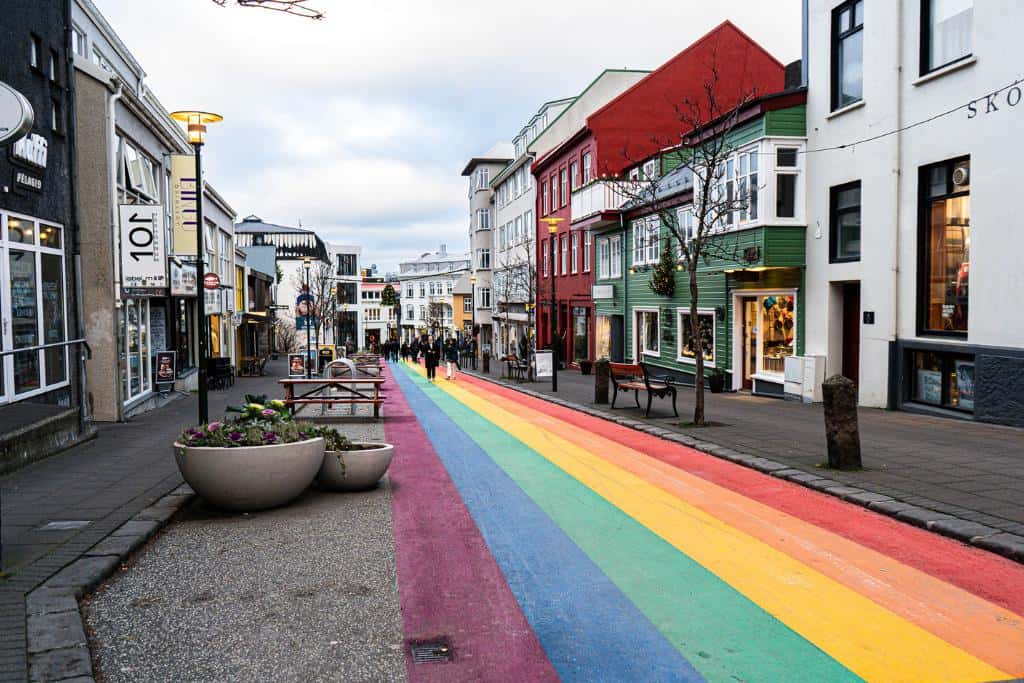
Iceland boasts an exceptionally low crime rate which is a significant factor contributing to its high safety ranking. The nation’s strong sense of community, comprehensive social welfare system, and efficient Icelandic police force help to maintain this secure environment.
Additionally, Iceland has no military, and its approach to law enforcement is grounded in community policing that emphasizes the importance of prevention over punishment. These elements come together to create a society where safety is paramount, offering peace of mind to residents and visitors alike.
However, despite the country enjoying exceedingly low crime rates, there are other safety factors that travelers should be aware of when planning their trip to Iceland. Particularly those wishing to do a self-guided road trip along the Ring Road or Golden Circle.
Iceland on the Global Peace Index
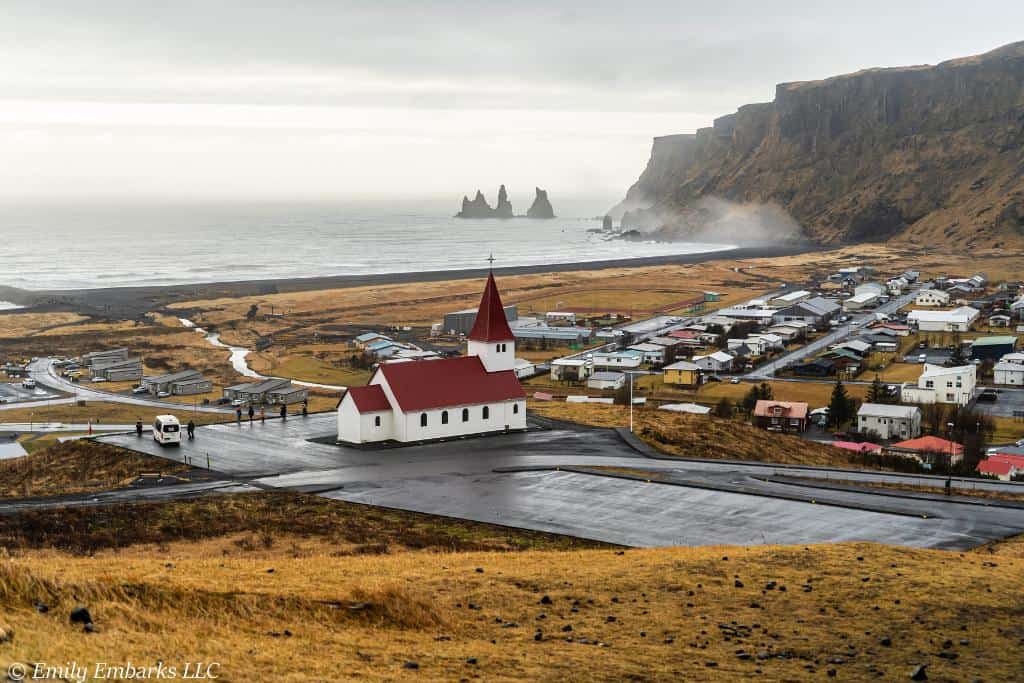
According to the Global Peace Index, Iceland has consistently ranked as the safest country in the world for nearly two decades. This index takes into account various factors such as crime rates, political stability, and militarization to determine a country’s overall level of peace.
Iceland’s ranking is especially impressive when compared to other popular tourist destinations. For example, the United States ranks at number 128 in 2025, while France ranks at 74 and Thailand at 86.
Safety Tips & Travel Advice for Visiting Iceland
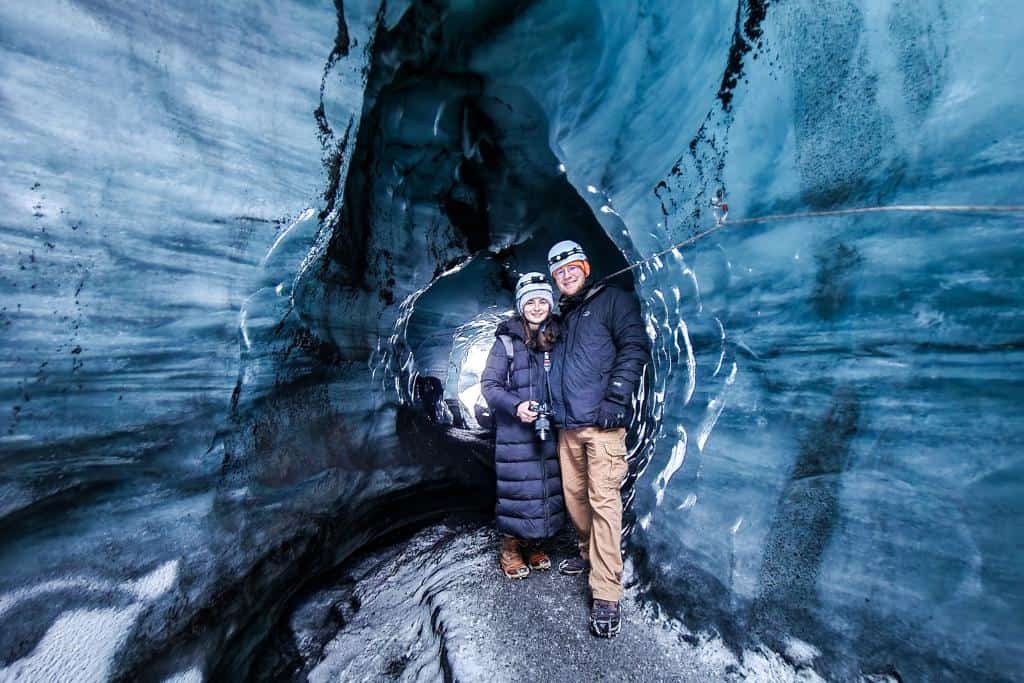
- Stay Informed About the Weather: The weather in Iceland can be unpredictable and change rapidly. Always check the Icelandic Meteorological Office website for current conditions, especially before heading out on a road trip or hike.
- Dress Appropriately: Layer your clothing and wear waterproof gear. The climate can be harsh, with wind, rain, and cold temperatures, even in summer. We visited Iceland in November and experienced sub-freezing temperatures and heavy winds!
- Respect Nature: Stay on marked paths and roads. Iceland’s landscapes are beautiful but can be fragile and dangerous if you venture off the beaten path – especially around geysers, hot springs, and volcanic areas.
- Be Prepared for Poor Road Conditions: If renting a car, make sure you’re comfortable with potentially challenging driving conditions, including gravel roads and driving in snow and ice. Always have an emergency kit in your vehicle!
- Heed Warning Signs: Pay attention to warning signs near natural attractions. They’re there to protect you from hazards such as steep cliffs, waves, and unstable surfaces.
- Practice Safe Hiking: Always let someone know where you’re going and when to expect you back. Use GPS devices and always carry a physical map as a backup.
- Beware of Hypothermia Risk: Due to cold temperatures and strong winds, hypothermia can be a risk, even in the summer. Recognize the symptoms, such as shivering, confusion, and slurred speech, and seek shelter if they occur.
- Know the Emergency Number: The emergency number in Iceland is 112. You can dial this number for any kind of emergency assistance.
- Carry Travel Insurance: While Iceland is safe, accidents happen. It’s important to carry travel insurance that covers medical expenses, trip cancellations, and any adventure activities you plan to undertake.
- Protect Against Sun Exposure: The sun in Iceland can be stronger than many travelers anticipate due to the clearer atmosphere. Use sunglasses and sunscreen, even on cloudy days, to guard against UV rays.
FAQ

In this section, I’ve provided answers to more specific questions regarding safety in Iceland including its protection of minorities and solo female travelers, if the cities are safe to walk around at night, and whether or not you should still consider purchasing travel insurance for your trip.
Is It Safe for Americans in Iceland?
Absolutely, Iceland is considered safe for American visitors as well as travelers from other parts of the world. The low crime rates and high safety rankings that benefit all visitors to Iceland apply to American tourists too.
The welcoming attitude of the Icelandic people, combined with the country’s effective legal system and police force, ensures that Americans can enjoy their stay with the same level of comfort and security as locals do.
As an American who has visited Iceland personally, I can vouch for the safe and welcoming environment that the country offers.
However, as with any international travel, it is always prudent to stay informed about local laws and customs, remain aware of your surroundings, and follow the advice of local authorities to ensure a safe trip.
Is Iceland Safe for Solo Female Travelers?
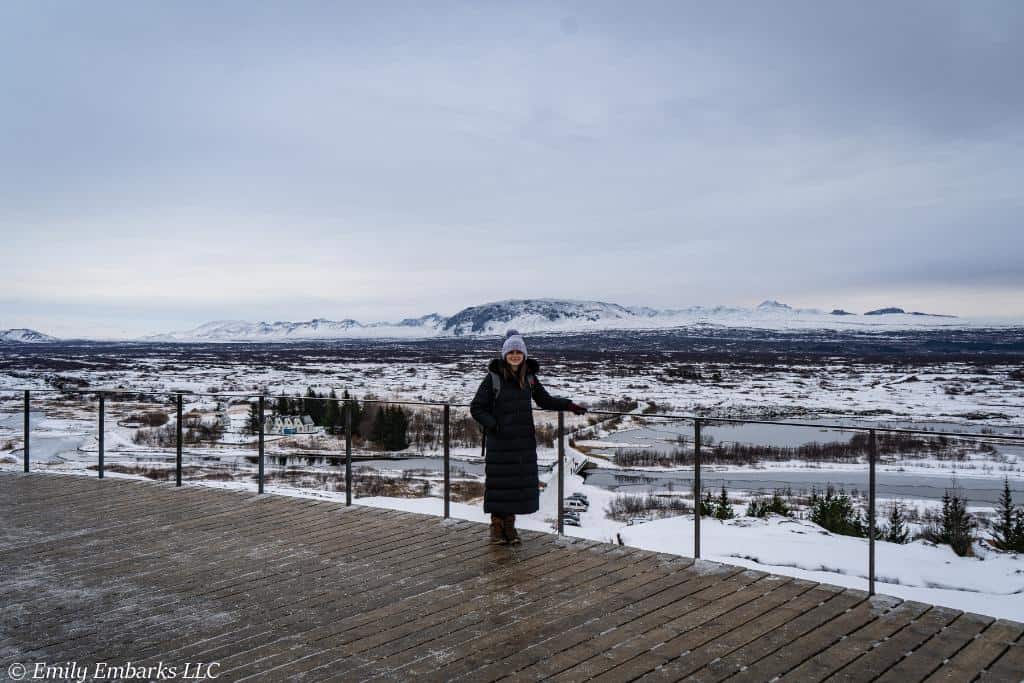
Iceland is renowned for being one of the safest countries for solo female travelers.
The respect for personal freedom is deeply embedded in Icelandic society, providing a welcoming and secure atmosphere for women traveling alone. It’s not uncommon to encounter solo female tourists enjoying the various attractions Iceland has to offer.
Yet vigilance is still advised—as with any destination, it’s important to take standard precautions. In 2023, there was a large female strike in support of equality in Reykjavik, so staying informed about current events will help ensure a safe and enjoyable trip.
Additionally, whether male or female, solo travelers should also come prepared with ample safety supplies including flashlights, maps, a satellite phone, food, water, and backup chargers, especially if they’ll be road-tripping the country alone.
Is It Safe to Walk Around Iceland at Night?
Walking around Icelandic cities at night is generally very safe. Unlike many other countries where night-time can bring an increased risk of crime, Iceland’s low crime rates and high level of safety remain consistent, even after dark.
Reykjavik, the capital, for instance, is well-lit and populated till late hours, with locals and tourists often seen enjoying the nightlife.
It’s still wise to follow standard night-time safety practices—like staying in well-lit, populated areas and being aware of your surroundings, but fear of crime should not be a deterrent to exploring Iceland’s beautiful cityscapes at night.
Is Iceland Safe to Live?

Iceland is not only safe for visitors; it is also considered a highly secure place to live.
Residents benefit from the same factors that make Iceland a safe travel destination, such as minimal crime, strong community cohesion, and trustworthy law enforcement. Its excellent healthcare system, high-quality education, and robust social welfare policies contribute to a high standard of living.
The biggest safety concerns that residents face include volcanic activity and harsh weather conditions, making it important to stay aware of any potential natural hazards and be prepared to evacuate, if necessary.
Is Iceland Safe for Muslim Travelers?
Iceland’s tradition of tolerance and inclusivity extends to Muslim travelers as well, ensuring a safe and respectful experience.
While the Muslim community in Iceland is relatively small, the country is accommodating toward people of all faiths, and there are facilities such as mosques and halal restaurants in the capital, Reykjavik.
Visitors can find the Islamic Cultural Centre of Iceland and the Reykjavik Mosque as places of support and worship. It’s recommended for Muslim travelers to plan ahead if they have specific dietary needs or require prayer facilities while touring outside of Reykjavik.
Is Iceland Safe from Volcanic Activity?

While volcanic activity does pose a potential risk in Iceland, comprehensive monitoring and early warning systems are in place to safeguard residents and visitors.
The Icelandic Meteorological Office closely tracks volcanic activity, and if an eruption is imminent, authorities will provide guidelines and, if needed, facilitate evacuations to ensure everyone’s safety.
As long as travelers stay informed through official channels and respect any travel restrictions, the risk posed by volcanic activity can be managed effectively.
Is Iceland Safe for Black Travelers?
Yes, Iceland is generally a safe country for travelers of all ethnicities, including black travelers.
Icelandic society is known for its inclusive and egalitarian values, and issues of racial discrimination are relatively uncommon. That being said, no country is completely free of prejudice, and instances of ignorance can occur anywhere.
For the most part, black travelers in Iceland report a welcoming experience and little to no racial bias during their visits. However, as with any international travel experience, it’s still recommended to stay aware of your personal safety and be prepared for any unexpected situations.
Is Iceland Safe to Travel Alone?

Traveling alone in Iceland is generally considered very safe, reflecting the country’s overall low crime rate and the high safety standards that tourists enjoy.
The serene landscapes, well-organized tourism infrastructure, and friendly locals create an ideal setting for solo travelers in search of adventure and peaceful solitude.
For those looking to explore Iceland’s natural beauty on their own, it’s easy to find resources and connect with fellow travelers or guides for parts of your journey. Moreover, the Icelandic search and rescue teams are highly skilled and always ready to assist if an emergency arises.
Just remember to inform a responsible party about your travel itinerary and expected return times, especially when venturing into more remote areas.
Why is Crime So Low in Iceland?
Iceland’s low crime rates can be attributed to a combination of factors including a high standard of living, a well funded social welfare system, and a small population where communal ties remain strong.
The country’s robust education system and relative income equality also help to reduce the socioeconomic disparities that can often lead to crime.
Furthermore, Iceland’s effective and well-respected police force works closely with the community, emphasizing preventive measures over punitive action.
The cultural emphasis on trust and social responsibility means that citizens are more likely to look out for one another, further fostering a safe environment. This unique blend of social and systemic attributes has helped Iceland maintain one of the lowest crime rates in the world.
Do They Speak English in Iceland?

English is widely spoken in Iceland, particularly in tourist areas, making communication for English-speaking travelers quite easy.
Many Icelanders speak English fluently, as it is taught as a second language in schools from a young age.
This means that visitors can usually rely on English to navigate, engage in tours, and interact with locals. Signs, menus, and information in museums and other attractions are often available in English as well.
However, learning a few basic phrases in Icelandic can be appreciated by the locals and enhance your travel experience.
What are the Most Dangerous Activities in Iceland?
Some of the most dangerous activities in Iceland include glacier hiking, ice climbing on waterfalls, driving off-road, visiting black sand beaches with strong undertows, and believe it or not… northern lights hunting!
These activities require skill, knowledge, and proper equipment to safely navigate the treacherous terrain and unpredictable weather conditions that Iceland is known for.
Inexperienced travelers should avoid embarking on these activities without a guide or experienced companion.
Do I Need Travel Insurance for Iceland?

Travel insurance is highly recommended for anyone planning a trip to Iceland. Despite the country’s incredibly low crime rate and advanced safety measures, there is always a risk of accidents or unexpected events.
Travel insurance can cover emergency medical expenses, trip cancellation/interruption, lost luggage, and other unforeseen situations that may arise during your travels.
It’s better to be prepared for the worst than to face the potential financial burden of an unfortunate incident while abroad. We always use SafetyWing when we travel, and it has never failed us!
Additionally, some insurance policies may also include benefits such as emergency medical evacuation, which is especially important for travelers planning adventurous activities in Iceland.
Overall, Iceland has its own set of risks including earthquakes, volcanic eruptions, landslides, and even the potential for flooding, so having travel insurance can provide peace of mind and ensure that you are fully protected both before and during your Icelandic adventure.
Other Helpful Iceland Resources
BEST Souvenirs from Iceland: 28 Authentic Icelandic Products
Is Iceland Expensive? The Ultimate 2026 Breakdown
Iceland is a safe and welcoming country for travelers of all backgrounds, especially when taking necessary precautions. Understanding the culture and respecting any travel restrictions can help ensure a smooth and enjoyable experience.
Traveling alone in Iceland is also considered safe due to the low crime rate and high safety standards. However, like any international trip, it’s important to have travel insurance for unexpected situations that may arise. So, is Iceland safe? Overall, yes!
