
Numbers 1-100 in Spanish (with Free PDF Guide!)


Want to learn how to count the numbers 1-100 in Spanish quickly and easily?
We can help! Because no matter what language you’re speaking, whether it be English, German, Russian, Japanese, or Portuguese, learning how to count is an essential basis to learning any new language.
In this post, you’ll learn how to spell and pronunciate Spanish numbers 1-100, plus you’ll get further insight on how to count up to 1000 in Spanish or even higher!
At the end of the day, however, you need to put in a lot of time and effort to master a new language. Try your best to practice daily and use what you learn in everyday conversations, when possible. Counting Spanish numbers isn’t difficult, it just takes practice.
Buena Suerte! (Good Luck!)
Numbers 1-10 in Spanish
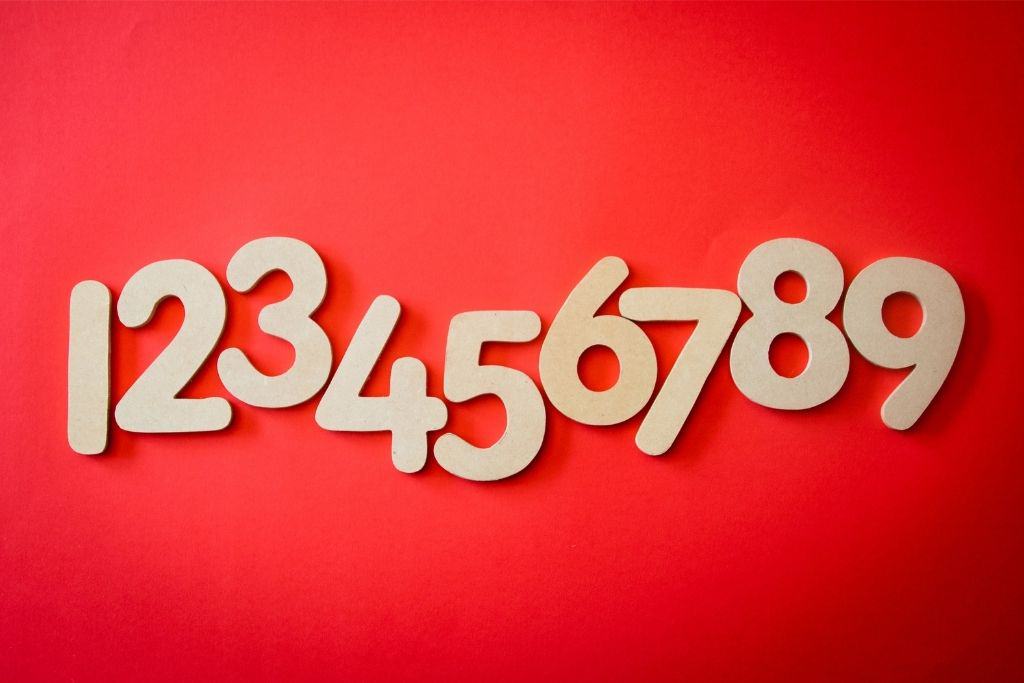
Before we can jump into the bigger numbers, we need to master numbers 1-10 in Spanish. There is a good chance that you may have heard these numbers before, so they will likely be a cinch to learn.
If you haven’t heard them before, don’t worry! They are quite simple and easy to remember with some simple practice and repetition.
- One (1)
- Two (2)
- Three (3)
- Four (4)
- Five (5)
- Six (6)
- Seven (7)
- Eight (8)
- Nine (9)
- Ten (10)
- Uno
- Dos
- Tres
- Cuatro
- Cinco
- Seis
- Siete
- Ocho
- Nueve
- Diez
Want to listen to the pronunciations? You can listen to the provided audio recording or check out this YouTube video!
Numbers 1-20 in Spanish

Once you have mastered the art of counting from 1-10 in Spanish, you can move on to counting from 1-20 in Spanish!
You’ll notice that 11 in Spanish and 12 in Spanish sound very similar to 1 and 2. Instead of dos for two, you’ll hear doce for twelve.
- Eleven (11)
- Twelve (12)
- Thirteen (13)
- Fourteen (14)
- Fifteen (15)
- Sixteen (16)
- Seventeen (17)
- Eighteen (18)
- Nineteen (19)
- Twenty (20)
- Once
- Doce
- Trece
- Catorce
- Quince
- Dieciséis
- Diecisiete
- Dieciocho
- Diecinueve
- Veinte
Similarly, cuatro for 4 in Spanish turns into catorce for 14 in Spanish.
If you enjoy listening to the pronunciations, here is a great video where you’ll listen and read the words for 1-20 in Spanish.
Numbers 1-30 in Spanish
Okay, now that you’ve got down counting from 1-10 and 1-20 in Spanish, we can move on to counting from 1-30 in Spanish.
Keep in mind, that learning all of these numbers is likely going to take you a lot longer than it takes you to read this post. Don’t get discouraged!
Keep practicing every day until you’re comfortable with your recall of the numbers and your pronunciations.
- Twenty-One (21)
- Twenty-Two (22)
- Twenty-Three (23)
- Twenty-Four (24)
- Twenty-Five (25)
- Twenty-Six (26)
- Twenty-Seven (27)
- Twenty-Eight (28)
- Twenty-Nine (29)
- Thirty (30)
- Veintiuno
- Veintidós
- Veintitrés
- Veinticuatro
- Veinticinco
- Veintiséis
- Veintisiete
- Veintiocho
- Veintinueve
- Treinta
Again, if you prefer to listen to pronunciations, check out this helpful video!
Numbers 1-100 in Spanish
Before we jump into teaching you every number from 1-100 in Spanish, let’s learn to count by tens. This will make learning the numbers far easier since the numbers in between will remain unchanged (i.e. 61, 62, 63, 71, 72, 73)
10 in Spanish is Diez
20 in Spanish is Veinte
30 in Spanish is Treinta
40 in Spanish is Cuarenta
50 in Spanish is Cincuenta
60 in Spanish is Sesenta
70 in Spanish is Setenta
80 in Spanish is Ochenta
90 in Spanish is Noventa
100 in Spanish is Cien
Now, for numbers 20-29, you’ll need to memorize the words since they look slightly different than 30-39, 40-49, and so forth.
For the rest of the numbers 30-100, you’ll simply take the word from the tens place and add y plus the number you want to achieve.
So, if I want to say 35, I would say treinta y cinco which translates to “thirty and five.” Similarly, to say 47, I would say cuarenta y siete which translates to “forty and seven.”
This works for all numbers 30-99. For numbers 1-29, you’ll need to memorize the specific Spanish words for each number.
Numbers 1-1000 in Spanish

CONGRATS!! You’re moving on from counting the numbers 1-100 in Spanish to 1-1000. Seriously, this is a big deal so don’t undermine your accomplishments. If you feel confident in your recall and pronunciations, let’s continue.
Just like how we practiced counting by the tens place previously, now we’re going to practice counting by the hundredths place.
- 200 in Spanish is Doscientos
- 300 in Spanish is Trescientos
- 400 in Spanish is Cuatrocientos
- 500 in Spanish is Quinientos
- 600 in Spanish is Seiscientos
- 700 in Spanish is Setecientos
- 800 in Spanish is Ochocientos
- 900 in Spanish is Novecientos
Once you have mastered this, you can move on to forming more specific numbers. Keep in mind that depending on the noun you are describing, you may need to use either their masculine or feminine forms.
For example: 500 animals is quinientos animales but 500 people is quinientas personas. Note the difference between tos and tas.
To form the basis for numbers 100 (cien) to 199, you will see the Spanish term Ciento.
For example: 157 is ciento cincuenta y siete and 178 is ciento setenta y ocho
From there, you would move onto one thousand (mil), two thousand (dos mil), three thousand (tres mil), and so forth.
7 in Spanish is siete
101 in Spanish is ciento uno
333 in Spanish is trescientos treinta y tres
467 in Spanish is cuatrocientos sesenta y siete
640 in Spanish is seiscientos cuarenta
852 in Spanish is ochocientos cincuenta y dos
If you prefer to listen to the pronunciations for numbers 1-1000 in Spanish, be sure to play this video below a few times!
Ordinal Numbers 1-10 in Spanish
Now that you have learned how to count from 1-10 using cardinal numbers, you need to learn how to count from 1-10 using ordinal numbers. What does that mean? Glad you asked!
Counting one, two, three… and so forth will help you buy products, tell time, and so on. But, what if you need to give someone a future date… like March 2nd?
You wouldn’t say “I am visiting on March 2”, would you? No. You would say “I am visiting on March 2nd”
These are the ordinal numbers. If you’re fourth in line, you wouldn’t say to someone “I am four in line”. You would say “I am fourth in line”, correct?
So, what are the ordinal numbers?
- First (1st)
- Second (2nd)
- Third (3rd)
- Fourth (4th)
- Fifth (5th)
- Sixth (6th)
- Seventh (7th)
- Eighth (8th)
- Ninth (9th)
- Tenth (10th)
- Primero
- Segundo
- Tercero
- Cuarto
- Quinto
- Sexto
- Séptimo
- Octavo
- Noveno
- Décimo
How to Pronounce Spanish Numbers
If you prefer to listen to pronunciations instead of reading them, I totally get it. That’s why I’m providing a good video that adds music to the translations.
You may feel a little bit silly at first singing the words out loud, but music is actually a great way to memorize a new language!
Numbers 1-100 in Spanish Chart
Here is a full chart with each number 1-100, its writing in English, and its writing in Spanish.
Though most people prefer to simply listen to numbers and their pronunciations, I highly recommend reading through this list often to help memorize the numbers in the beginning stages.
| Number | English | Spanish |
| 1 | One | Uno |
| 2 | Two | Dos |
| 3 | Three | Tres |
| 4 | Four | Cuatro |
| 5 | Five | Cinco |
| 6 | Six | Seis |
| 7 | Seven | Siete |
| 8 | Eight | Ocho |
| 9 | Nine | Nueve |
| 10 | Ten | Diez |
| 11 | Eleven | Once |
| 12 | Twelve | Doce |
| 13 | Thirteen | Trece |
| 14 | Fourteen | Catorce |
| 15 | Fifteen | Quince |
| 16 | Sixteen | Dieciséis |
| 17 | Seventeen | Diecisiete |
| 18 | Eighteen | Dieciocho |
| 19 | Nineteen | Diecinueve |
| 20 | Twenty | Veinte |
| 21 | Twenty-one | Veintiuno |
| 22 | Twenty-two | Veintidós |
| 23 | Twenty-three | Veintitrés |
| 24 | Twenty-four | Veinticuatro |
| 25 | Twenty-five | Veinticinco |
| 26 | Twenty-six | Veintiséis |
| 27 | Twenty-seven | Veintisiete |
| 28 | Twenty-eight | Veintiocho |
| 29 | Twenty-nine | Veintinueve |
| 30 | Thirty | Treinta |
| 31 | Thirty-one | Treinta y uno |
| 32 | Thirty-two | Treinta y dos |
| 33 | Thirty-three | Treinta y tres |
| 34 | Thirty-four | Treinta y cuatro |
| 35 | Thirty-five | Treinta y cinco |
| 36 | Thirty-six | Treinta y seis |
| 37 | Thirty-seven | Treinta y siete |
| 38 | Thirty-eight | Treinta y ocho |
| 39 | Thirty-nine | Treinta y nueve |
| 40 | Forty | Cuarenta |
| 41 | Forty-one | Cuarenta y uno |
| 42 | Forty-two | Cuarenta y dos |
| 43 | Forty-three | Cuarenta y tres |
| 44 | Forty-four | Cuarenta y cuatro |
| 45 | Forty-five | Cuarenta cinco |
| 46 | Forty-six | Cuarenta y seis |
| 47 | Forty-seven | Cuarenta y siete |
| 48 | Forty-eight | Cuarenta y ocho |
| 49 | Forty-nine | Cuarenta y nueve |
| 50 | Fifty | Cincuenta |
| 51 | Fifty-one | Cincuenta y uno |
| 52 | Fifty-two | Cincuenta y dos |
| 53 | Fifty-three | Cincuenta y tres |
| 54 | Fifty-four | Cincuenta y cuatro |
| 55 | Fifty-five | Cincuenta y cinco |
| 56 | Fifty-six | Cincuenta y seis |
| 57 | Fifty-seven | Cincuenta y siete |
| 58 | Fifty-eight | Cincuenta y ocho |
| 59 | Fifty-nine | Cincuenta y nueve |
| 60 | Sixty | Sesenta |
| 61 | Sixty-one | Sesenta y uno |
| 62 | Sixty-two | Sesenta y dos |
| 63 | Sixty-three | Sesenta y tres |
| 64 | Sixty-four | Sesenta y cuatro |
| 65 | Sixty-five | Sesenta y cinco |
| 66 | Sixty-six | Sesenta y seis |
| 67 | Sixty-seven | Sesenta y siete |
| 68 | Sixty-eight | Sesenta y ocho |
| 69 | Sixty-nine | Sesenta y nueve |
| 70 | Seventy | Setenta |
| 71 | Seventy-one | Setenta y uno |
| 72 | Seventy-two | Setenta y dos |
| 73 | Seventy-three | Setenta y tres |
| 74 | Seventy-four | Setenta y cuatro |
| 75 | Seventy-five | Setenta y cinco |
| 76 | Seventy-six | Setenta y seis |
| 77 | Seventy-seven | Setenta y siete |
| 78 | Seventy-eight | Setenta y ocho |
| 79 | Seventy-nine | Setenta y nueve |
| 80 | Eighty | Ochenta |
| 81 | Eighty-one | Ochenta y uno |
| 82 | Eighty-two | Ochenta y dos |
| 83 | Eighty-three | Ochenta y tres |
| 84 | Eighty-four | Ochenta y cuatro |
| 85 | Eighty-five | Ochenta y cinco |
| 86 | Eighty-six | Ochenta y seis |
| 87 | Eighty-seven | Ochenta y siete |
| 88 | Eighty-eight | Ochenta y ocho |
| 89 | Eighty-nine | Ochenta y nueve |
| 90 | Ninety | Noventa |
| 91 | Ninety-one | Noventa y uno |
| 92 | Ninety-two | Noventa y dos |
| 93 | Ninety-three | Noventa y tres |
| 94 | Ninety-four | Noventa y cuatro |
| 95 | Ninety-five | Noventa y cinco |
| 96 | Ninety-six | Noventa y seis |
| 97 | Ninety-seven | Noventa y siete |
| 98 | Ninety-eight | Noventa y ocho |
| 99 | Ninety-nine | Noventa y nueve |
| 100 | One Hundred | Cien |
FAQ: Numbers 1-100 in Spanish
Where Do They Speak Spanish?
Spanish is spoken in many countries across the world, with most native Spanish speakers located in Latin America and Spain.
It is also spoken in some parts of the United States, Canada, and several islands in the Caribbean such as Cuba and Puerto Rico.
Additionally, there are communities of Spanish-speaking people in other parts of Europe (such as Andorra), Africa (such as Equatorial Guinea), and Asia (notably the Philippines).
How to Say “Counting” in Spanish
If you want to say counting or I am counting, then you will use the term contando, or estoy contando.
How to Say “Number” in Spanish

It’s important to learn how to count in Spanish by using the word number as well as the actual numbers that follow it.
To say the word “number” in Spanish, simply say número. This will be used before every number and it does not change.
For example: número uno, número dos, número tres… and so forth.
“One” in Spanish: Un, Una, Unos, or Unas?
Knowing when to say un, uno, or una can be tricky. So, let me break it down for you.
It will almost entirely depend on the noun you are describing. So, if the number is coming before a masculine singular noun, then you will use un. If the number comes before a masculine plural noun, you will use unos.
For feminine singular nouns, use una and for feminine plural nouns use unas.
Understanding the gender of nouns will come far later in your Spanish language learning, but it is good to acknowledge that the gender of words will make a difference in which form of the number you will use in the future.
If you would like a more in-depth breakdown of this, take a peek at this video!
How to Say Billions and Trillions in Spanish

Unlike how Americans say “one thousand millions”, in Spanish speaking countries they say “one million millions”. This means they use the term mil millones or un millardo to describe the word billions.
The same goes for the word trillions. Instead of saying “one thousand billions”, they say “one million billions”. This gives you the phrase un billón.
*** “O” means “or” – mil millones or un millardo
Helpful Spanish Resources
✔️ How to Say Good Night in Spanish 20+ Ways
✔️ Happy Birthday in Spanish 13 Different Ways
✔️ Congratulations in Spanish 38+ Ways for Every Occasion
✔️ 35 Helpful Greetings in Spanish – Formal and Informal
Helpful Resources for Spain
✔️ 25 Awesome Things To Do In Barcelona At Night
✔️ 33 Wonderfully Unique Places to Visit in Spain Right Now
✔️ One Day in Barcelona: Itinerary + Tips for 24 Hours in Spain’s Capital
Helpful French Resources
If you also want to learn French, check out these helpful articles:
✔️ How to Say Nice to Meet You in French 15+ Ways
✔️ Saying No in French 30+ Ways (& Audio Pronunciation)
✔️ 33+ Ways to Say Thank You in French (with Audio)
✔️ Good Night in French 17+ Ways (& Audio Pronunciation)
✔️ Good Morning in French: 17 Helpful French Greetings
✔️ What Time Is It in French 11+ Ways: How to Ask and Tell Time in French
✔️ 1-10 in French: Learn to Count from 1-10+ in French (with Pronunciations)
✔️ Merry Christmas in French 17+ Ways
Spanish Numbers 1-100 PDF
So, it doesn’t matter if you simply want to pass a Spanish class, be able to hold a conversation in a Spanish-speaking country, or you want to be fluent in a second language, learning how to count is important!
That’s why I also use Duolingo to support my language skills and help me learn Spanish. This amazing platform can teach you 100 Spanish numbers in no time, as well as help you with your Spanish pronunciations, Spanish vocabulary, and even go through their Spanish course at your own pace! If you want to speak Spanish like a local, then this is great way to get there.
By learning the numbers 1-100 in Spanish, you’re taking the first step to hitting your language-learning goal, regardless of what it is!
